

Flame Resistant Sleepwear: CPSC & Fabric Guide 2026
You're probably here because it's late, your cart is open, and two pajama listings look almost identical except one says “flame resistant” and the other says “snug-fitting.” One mentions bamboo. Another says polyester. A tag warning about wash instructions pops up, and suddenly a simple bedtime purchase feels like a chemistry exam.
For parents who care about gentle fabrics, simple living, and wise stewardship, that confusion hits harder. You want to protect your child. You also want to avoid unnecessary treatments, mystery materials, and labels you don't understand. That's a reasonable tension, not overthinking.
A lot of Christian parents feel this especially strongly. We try to choose well, care for what God has entrusted to us, and avoid fear-driven decisions. Pajamas shouldn't feel like a moral test. They should feel like one small, thoughtful way to love your child well.
That Midnight Search for the Perfect Pajamas
The search often starts innocently. Your toddler has outgrown last month's sleepers, you finally have a quiet house, and you sit down to order something soft for bedtime. Then the product descriptions begin to contradict each other.
One says natural fibers are best. Another says flame resistance matters most. One listing reassures you with “snug fit.” Another highlights “flame resistant” in bold. If you're also hoping for soft, breathable pajamas that feel gentler on sensitive skin, the decision gets murkier fast.
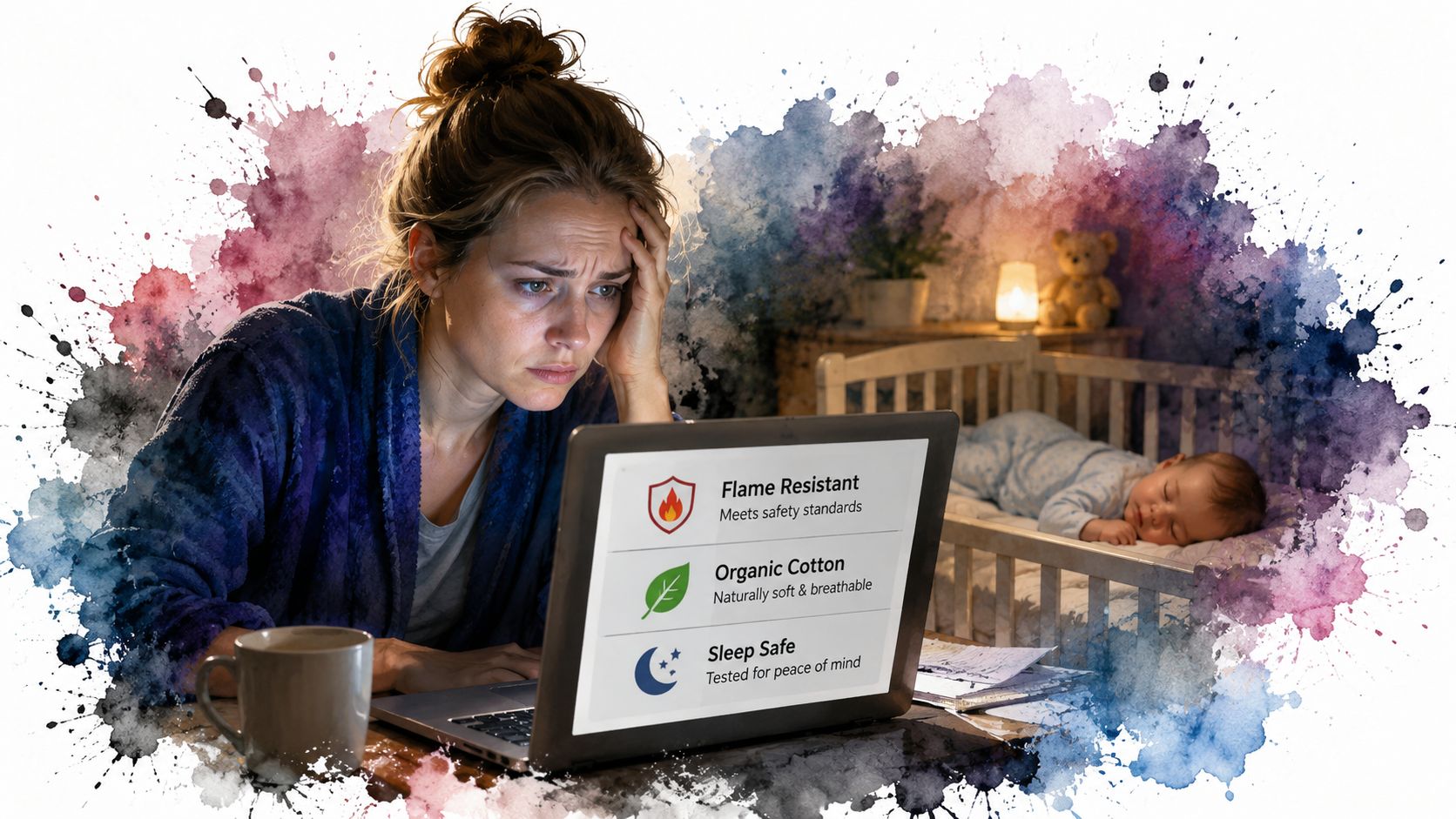
A lot of parents end up opening five tabs at once. One is a product page. One is a government rule. One is a parenting forum. One is a post about fabric softness. One is a blog on the softest kids pajamas. By the end, you may know more terms, but feel less sure.
Why this topic feels so loaded
Sleepwear sits at the intersection of three things parents care greatly about:
- Safety: You want bedtime clothing that reduces risk.
- Comfort: You want your child to sleep well, not fight itchy or stiff fabric.
- Values: You may prefer products that feel simpler, cleaner, and closer to natural living.
Those priorities don't cancel each other out. They just require clearer language than most labels give you.
You don't need to become a textile expert to make a good decision. You need to know what the label is trying to tell you.
The calm answer most parents need
The good news is that flame resistant sleepwear rules exist for a practical reason. They were designed to reduce the chance that pajamas will catch fire easily and keep burning after contact with a small flame. That doesn't mean every safe pajama is made the same way, and it doesn't mean every flame resistant item contains the kind of chemicals parents worry about.
It means there are a few compliance paths, and once you understand them, the labels stop feeling mysterious. That clarity matters, especially if you're trying to balance caution with peace of mind.
What Is Flame Resistant Sleepwear Exactly
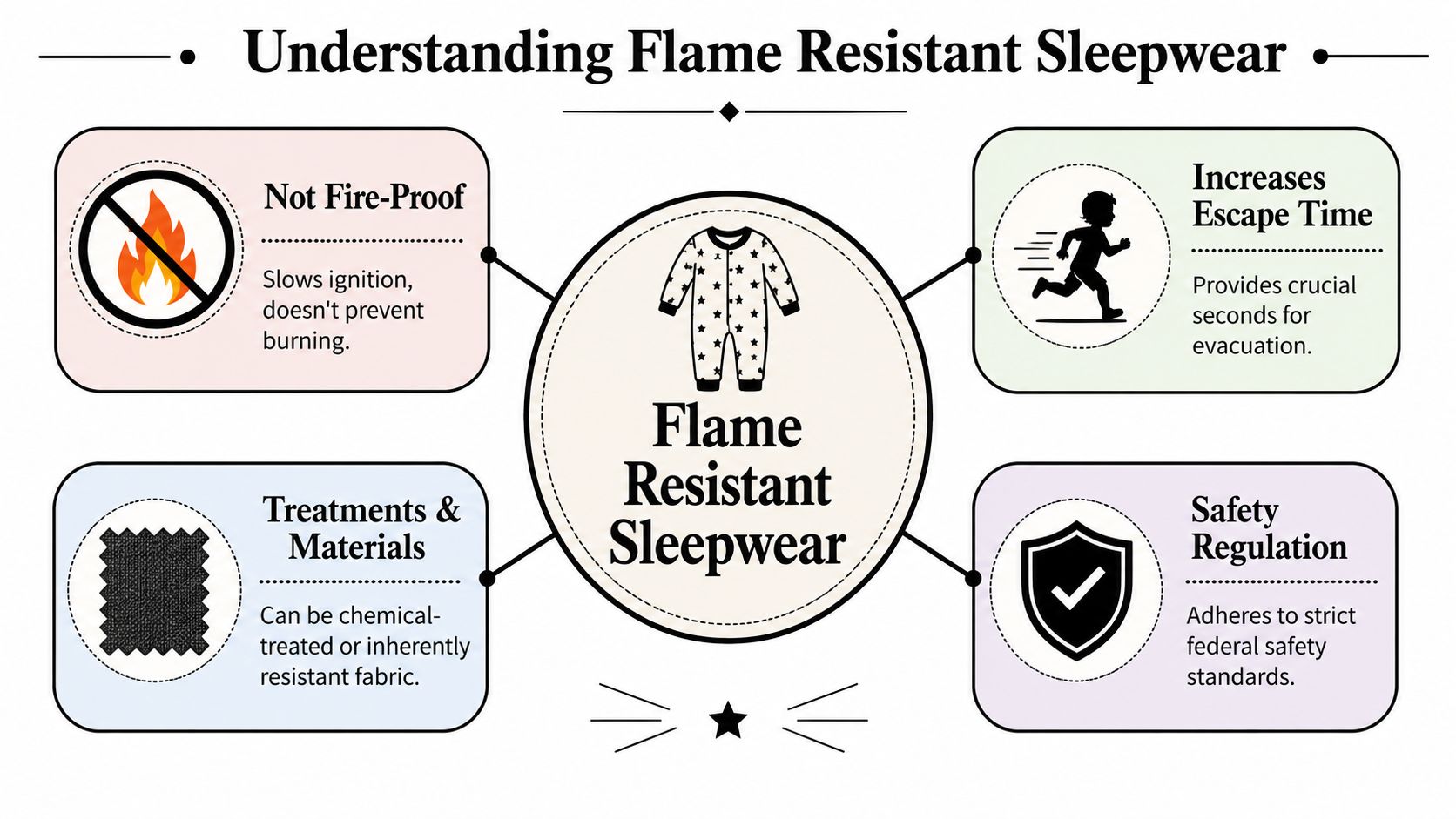
Flame resistant sleepwear is sleepwear designed to reduce how quickly a garment ignites and how long it keeps burning. It is not fireproof. That's the first distinction that helps everything else make sense.
Flame resistant materials act like a candle wick that goes out rather than allowing the flame to spread across the fabric. The goal isn't to make a child invincible around fire. The goal is to slow ignition and limit flame spread so there's time to react.
What the rule is trying to prevent
Loose fabric can catch and spread flame faster than close-fitting fabric. That's why sleepwear rules pay attention not only to material, but also to how the garment fits on the body.
In the United States, children's sleepwear in sizes 0 to 6X must follow 16 CFR 1615, which includes a vertical char-length test. The average char length must be 7 inches or less, and no single specimen can exceed 10 inches. The test uses a 3½-inch by 10-inch fabric sample exposed to flame for 1 second, and passing means the garment gives the wearer time to remove it if it ignites, as described in this overview of children's sleepwear flammability standards.
A short video can help make the concept less abstract.
The two main ways sleepwear can comply
Most parents get tripped up because they assume “safe” means only one thing. It doesn't.
There are two common paths:
-
Snug-fitting design
Pajamas made from natural-feeling fabrics can avoid loose, flowing shapes and rely on close fit to reduce fire risk. - Flame resistant material or treatment Some garments use flame-resistant fibers or a flame-retardant treatment so the fabric passes the required test even in a looser style.
Why the wording matters
“Flame resistant” on a listing can describe the garment's performance, but not always the exact method used to get there. That's why one pair of pajamas may be safe because of tight fit, while another is safe because of the fiber or treatment.
Practical rule: “Flame resistant” doesn't automatically mean “full of harsh chemicals,” and “natural” doesn't automatically mean “passes every sleepwear standard on its own.”
That's the key foundation. Once you know those two paths exist, the labels become much easier to read.
Understanding CPSC Safety Rules and Labels
These rules weren't created to make shopping annoying. They were created because children were getting hurt.
In 1975, the CPSC put mandatory federal flammability standards in place for children's sleepwear. According to this summary of the history of flame-retardant standards in kids' pajamas, clothing fire fatalities among children under age 10 fell from about 60 in 1970 to 1 in 1987, which represents a 98% reduction after these standards were enforced. That's why the rules are taken seriously. They were built in response to real harm.
The label parents usually see on snug-fitting pajamas
If a pajama set is made to meet the rules through fit rather than a flame-resistant treatment, the most important clue is usually the sizing and the fit language. Parents often recognize this through the familiar warning that the garment should fit snugly.
That wording is there for a reason. A close fit leaves less loose fabric available to catch flame and billow.
The label parents usually see on treated or specially resistant sleepwear
If loose-fitting sleepwear relies on flame resistance built into the fabric or treatment, labels matter in a different way. Care instructions become part of the safety story.
For treated garments, permanent labels may warn against products or laundry habits that could reduce flame resistance. That's one reason fabric care isn't a side issue. It's part of compliance.
How to read a tag without spiraling
If you're standing in a store or scrolling online, use this simple checklist:
- Look for fit language: If it says the garment should fit snugly, that's telling you the design itself is part of the safety approach.
- Check for permanent care instructions: If a pajama depends on flame resistance in the fabric or finish, the care label matters more than usual.
- Notice the feel and cut together: A very loose silhouette and a very soft natural fabric may raise different questions than a trim, close-fitting set.
- Watch for safety certifications that address harmful substances: For parents who care about what touches skin, OEKO-TEX Standard 100 explained in plain language is worth understanding alongside flammability compliance.
Good labels don't just sell the garment. They tell you how the garment is meant to keep working safely.
A faith-minded way to think about regulation
Some parents hear “federal standard” and immediately tense up. But this is one of those cases where a regulation can be seen as a guardrail, not an intrusion. It's a baseline that helps families avoid hidden risks in an everyday product.
Stewardship isn't fear. It's thoughtful care. Reading a pajama label carefully can be one small expression of that.
Comparing Sleepwear Fabrics Cotton Polyester and Bamboo
Fabric questions are where most anxiety lives. Parents aren't usually asking whether safety matters. They're asking which kind of safe feels most aligned with their child's skin, sleep comfort, and family values.
The hardest material to sort out right now is bamboo viscose. Parents often hear that it feels breathable and soft, but they can't tell whether that means it's acceptable as sleepwear without added treatment. According to this CPSC-linked background document, parents lack clear guidance on whether naturally flame-resistant fabrics like bamboo viscose are safe for toddlers 9 months and up without chemical treatments, and that gap is especially important for families seeking OEKO-TEX-certified, chemical-free sleepwear.
Cotton, polyester, and bamboo are not the same question
Parents often lump these fabrics into one debate, but they raise different issues.
Cotton is familiar, breathable, and widely loved. In sleepwear, though, cotton often appears in snug-fitting designs when brands want to avoid chemical treatments.
Polyester often enters the conversation because it can be part of sleepwear with integral flame resistance. Parents may dislike the synthetic feel or worry about melting, but it's important not to confuse “synthetic” with “chemically treated.”
Bamboo viscose gets attention because it feels soft and gentle, especially for children with sensitive skin. The challenge is that many parent-facing resources still don't explain bamboo clearly in the context of sleepwear compliance, so families are left trying to fill in the blanks.
Sleepwear Fabric Comparison
| Fabric Type | FR Method | Feel & Breathability | Chemical Concerns | Best For |
|---|---|---|---|---|
| Cotton | Usually snug-fitting design when untreated | Soft and breathable | Parents often prefer it when avoiding added treatments | Families who want simple, close-fitting pajamas |
| Polyester | Can be inherently flame resistant | Often smooth, less natural-feeling to some families | Not the same as chemically treated cotton | Loose-fitting styles that rely on built-in resistance |
| Bamboo viscose | Often discussed in the context of snug-fitting, non-treated sleepwear | Very soft and breathable | Parents often want more clarity about compliance without added treatment | Families prioritizing softness and reduced chemical exposure concerns |
Where bamboo fits for cautious parents
This is where nuance matters. A fabric can be wonderfully soft and still need the garment design to do part of the safety work. For many parents, that means the important question isn't “Is bamboo magically flame resistant?” It's “Is this specific bamboo sleepwear designed and labeled in a way that matches the safety rules?”
That's a more grounded question.
If you're comparing natural-feeling options, this cotton and bamboo comparison can help you think through comfort and skin feel. But comfort alone isn't the deciding factor. Fit, labeling, and intended sleepwear use all matter.
A balanced way to decide
If your child sleeps hot, struggles with rough seams, or has sensitive skin, softness and breathability matter for real life. If you also want to avoid added flame-retardant treatments when possible, snug-fitting natural or natural-feeling sleepwear may feel like the best match for your values.
For many families, the wisest choice isn't the fabric with the loudest marketing claim. It's the pajama that clearly tells you how it meets the rules and feels good enough that your child will actually wear it.
That's often the heart of the decision. Safe sleepwear has to be used consistently to help.
Debunking Common Pajama Safety Myths
You are standing in your child's room after bedtime, phone in hand, reading one post that says flame resistant pajamas are dangerous and another that says anything soft or natural must fail safety rules. That kind of mixed advice can make a careful parent feel cornered.
A calmer approach helps. Pajama safety has a few moving parts, but the myths usually flatten them into scary slogans. For families who care about stewardship, gentle materials, and clear labeling, the goal is not fear. The goal is choosing sleepwear that is both responsible and reassuring.
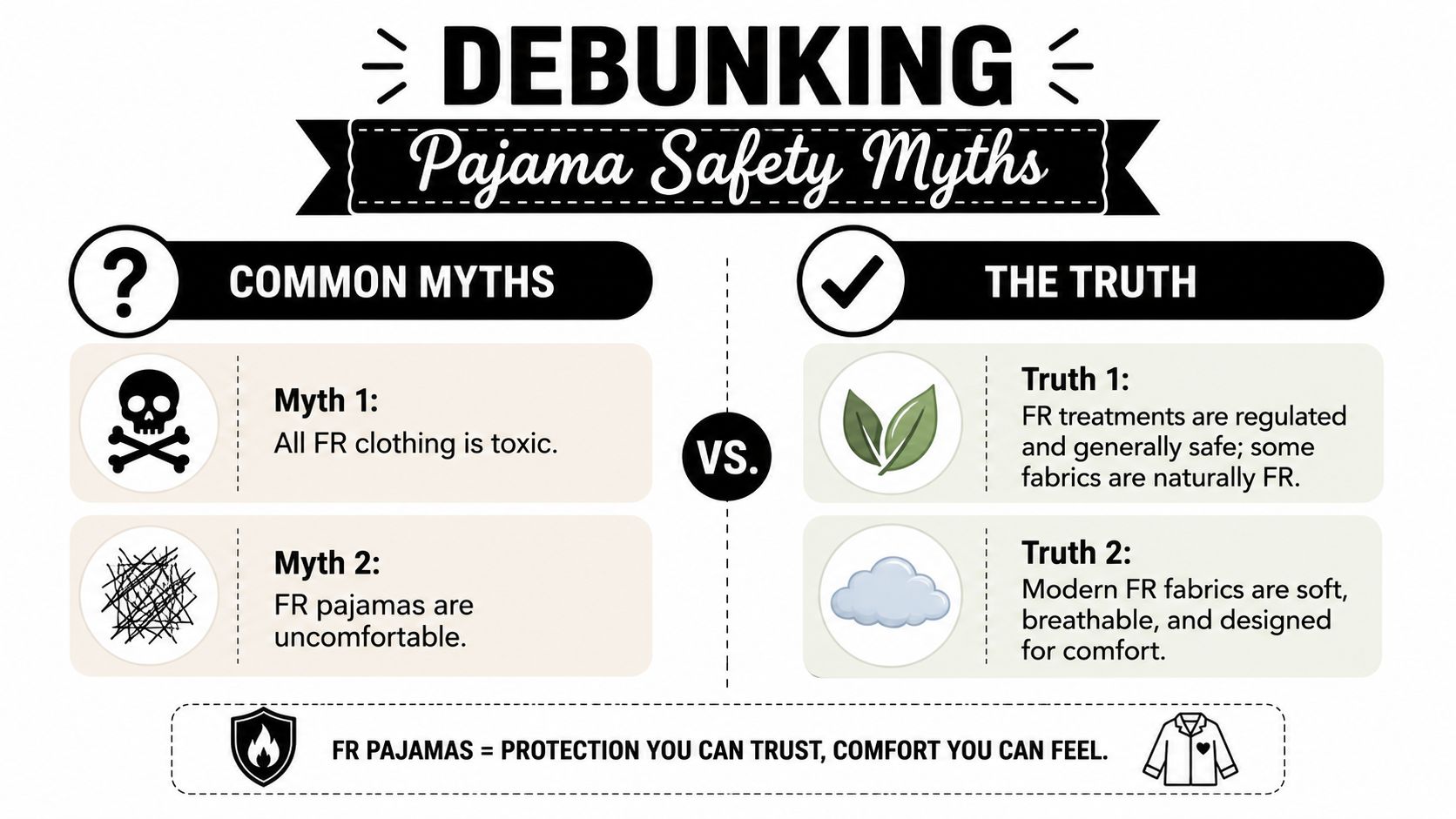
Myth 1 all flame resistant pajamas are toxic
That statement lumps very different products into one category.
Some older flame-retardant chemicals created real concern, and that history still shapes how parents feel today. But modern children's sleepwear is not one single thing. Some garments rely on fabric behavior, some rely on garment fit, and some use methods that are very different from the chemicals parents are usually worried about.
For a parent trying to honor both safety and natural living, this distinction matters. Wisdom starts with asking, “What makes this specific pajama compliant?” not “Which scary label have I heard before?”
Myth 2 flame resistant always means chemical treatment
Flame resistance can come from different places.
In some pajamas, the safety approach comes from how the fiber behaves. In others, it comes from the garment being made to fit closely to the body. That is why many faith-based parents feel relieved when they learn that some sleepwear can meet expectations without added topical treatments.
That is also why non-treated bamboo viscose sleepwear often causes confusion. Bamboo viscose is not automatically flame resistant on its own. Yet a bamboo pajama can still be a responsible choice if the garment is designed, labeled, and sold in a way that matches sleepwear rules. For parents looking at brands such as Little Venture Co., the helpful question is whether the product clearly explains its compliance approach, not whether the word bamboo by itself guarantees anything.
Myth 3 polyester is automatically the unsafe option
Polyester gets judged quickly because parents hear that it can melt.
That concern is understandable. But fire safety is not as simple as ranking one fiber as good and another as bad. A safer outcome depends on how easily a garment ignites, how it fits, and whether it was made for sleepwear use in the first place. Fabric choice is one part of the picture, not the whole picture.
Parents who prefer natural-feeling fabrics are not being unreasonable. Parents who choose polyester for its performance are not being careless either. A wise decision weighs the full design of the pajama and the needs of the child wearing it.
Myth 4 soft pajamas must be less safe
Soft fabric and safe design can live together.
That is good news for children with sensitive skin, sensory struggles, or a strong preference for breathable sleepwear. In practical terms, a pajama only helps if your child will keep it on comfortably through the night. Comfort supports consistency, and consistency supports safer habits.
For families who choose bamboo for its softness, proper care matters too. If you use a gentle washing routine for bamboo clothing, you help preserve the feel and fit that made you choose it in the first place.
A soft pajama is not a safety problem by itself. The real question is whether the garment was made, labeled, and cared for in a way that supports safe sleep.
That is often the myth-clearing question parents need most.
How to Choose and Care for Sleepwear Safely
A lot of parents end up here after a familiar moment. The house is finally quiet, you are holding a tiny pair of pajamas, and one question keeps bothering you. Is this safe for my child, and does it still fit the values our family cares about?
That question deserves a calm, practical answer. For faith-based families, choosing sleepwear can feel like an act of stewardship. You are caring for your child's body, using your money thoughtfully, and trying to choose materials that fit a more natural way of living. The reassuring part is that you do not have to choose between those values and safety rules. You just need to know what to look for and how to care for what you buy.
What to check before you buy
Start with the label and the overall design, not just the fabric name.
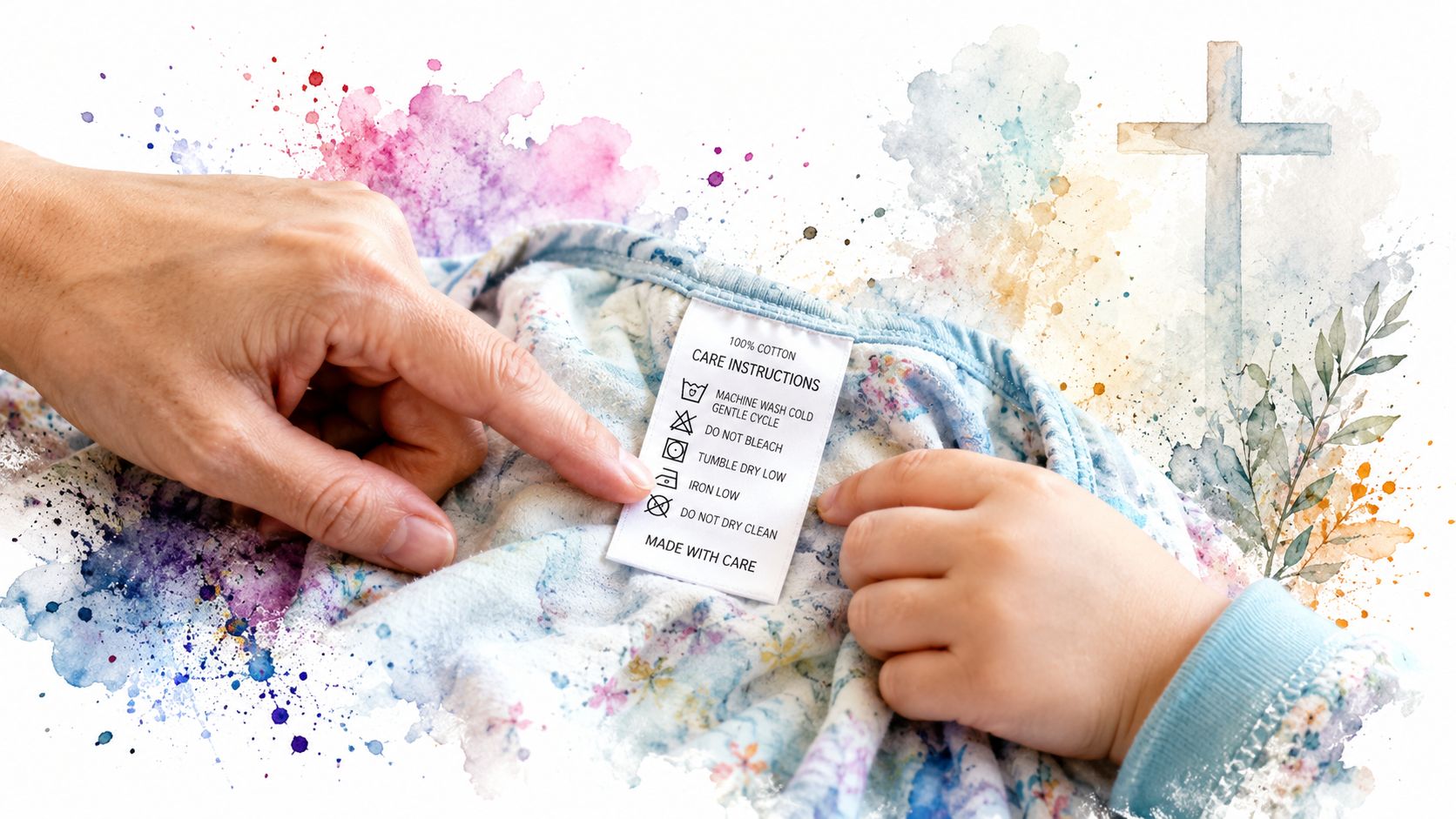
A good buying decision works like a three-part check. First, see whether the sleepwear is intended to fit snugly or is designed as loose-fitting flame-resistant sleepwear. Second, read the care label before you put it in your cart. Third, ask whether your child will sleep comfortably in it night after night.
Here is a simple filter:
- Check the fit the way you would check a car seat strap: snug sleepwear should stay close to the body, not hang loose because you sized up too far.
- Read the care label before purchase: some garments need specific washing habits to keep their intended performance.
- Match the fabric to the child: a child with eczema, sensory sensitivity, or heat intolerance may do better in a softer, more breathable option.
- Look past marketing language: words like “natural” or “clean” can describe a preference, but the label tells you how the garment is meant to be used safely.
For parents drawn to bamboo viscose sleepwear, this is often the point of confusion. Non-treated bamboo viscose sleepwear can still be a thoughtful choice if the garment is designed and labeled to comply through snug fit rather than a chemical flame-retardant treatment. That matters for families who want a softer, plant-derived fabric while still honoring safety standards.
Why care instructions matter after purchase
Care is part of safety.
Loose-fitting flame-resistant sleepwear usually comes with permanent care instructions for a reason. If a garment depends on a specific fabric performance or finish, the wrong laundry products or habits may interfere with how it was intended to function. As noted earlier, that is why regulators require clear labeling for these products.
Snug-fitting sleepwear needs attention too, even when it is not chemically treated. Its safety depends in part on keeping the intended fit. Repeated high heat, rough washing, stretching, or heavy wear can change how the pajama sits on your child's body.
If your family prefers bamboo for its softness and more natural feel, how to wash bamboo clothing so it stays soft and keeps its shape is worth learning early. Good care helps preserve the two things parents usually want most from bamboo sleepwear: comfort and consistent fit.
A simple stewardship checklist
Use this when you are folding laundry, sorting hand-me-downs, or deciding whether pajamas still belong in the bedtime drawer:
- Keep snug pajamas snug: if the neck, cuffs, or legs look stretched out, the garment may no longer fit as intended.
- Do not ignore faded labels: care instructions and product information help you know how the sleepwear was meant to be washed and used.
- Treat secondhand items carefully: unknown wash history matters more with garments that rely on special care or specific fit.
- Watch for fabric breakdown: thinning knees, loose ribbing, and misshapen waistbands are practical signs that it may be time to retire a pair.
One wise habit: check pajama fit again after growth spurts, seasonal laundry changes, or a few months of heavy wear.
That small routine can bring a lot of peace of mind. It lets you choose sleepwear in a way that reflects both wisdom and care, especially if your family values gentle fabrics, clear labeling, and responsible stewardship.
Answering Your Flame Resistant Sleepwear FAQs
Do babies under 9 months need flame resistant sleepwear
The main sleepwear standards discussed here apply to children's sleepwear beginning at 9 months and up through larger child sizes in the cited regulations. That's one reason labels and sizing categories matter. If you're shopping for very young infants, check how the item is categorized and labeled rather than assuming all sleepwear follows the same rule set.
Is bamboo viscose sleepwear safe without chemical treatment
It can be a thoughtful option for families who want soft, gentle sleepwear, but the important question is whether the specific garment is designed and labeled to comply through snug fit rather than a flame-retardant treatment. The gap for parents is that mainstream advice often doesn't explain bamboo clearly enough, especially for toddlers.
Are modern flame-retardant chemicals safe
The most honest answer is nuanced. Older chemicals like TRIS were banned, which is important history. At the same time, parents shouldn't assume every modern flame resistant garment uses the same kind of chemistry, and available parent-facing summaries note that there isn't scientific consensus on human health impact at typical home exposure levels.
Is secondhand sleepwear okay
Sometimes, but inspect it carefully. Look at fit, stretched fabric, missing labels, heavy wear, and unknown wash history. Those issues matter more when the garment's performance depends on treatment or close fit.
What matters most when choosing pajamas
Three things. Fit, label clarity, and fabric your child will tolerate. Peace of mind usually comes from finding all three in one garment, not from chasing the most dramatic claim on the package.
If you want sleepwear that aligns with a faith-minded approach to stewardship, softness, and careful material choices, Little Venture Co. offers bamboo sleepwear designed for babies and toddlers with OEKO-TEX Standard 100 certified materials and a mission that reflects care for both children and families.