

Christian Baby Dedication Outfits: A Complete Guide
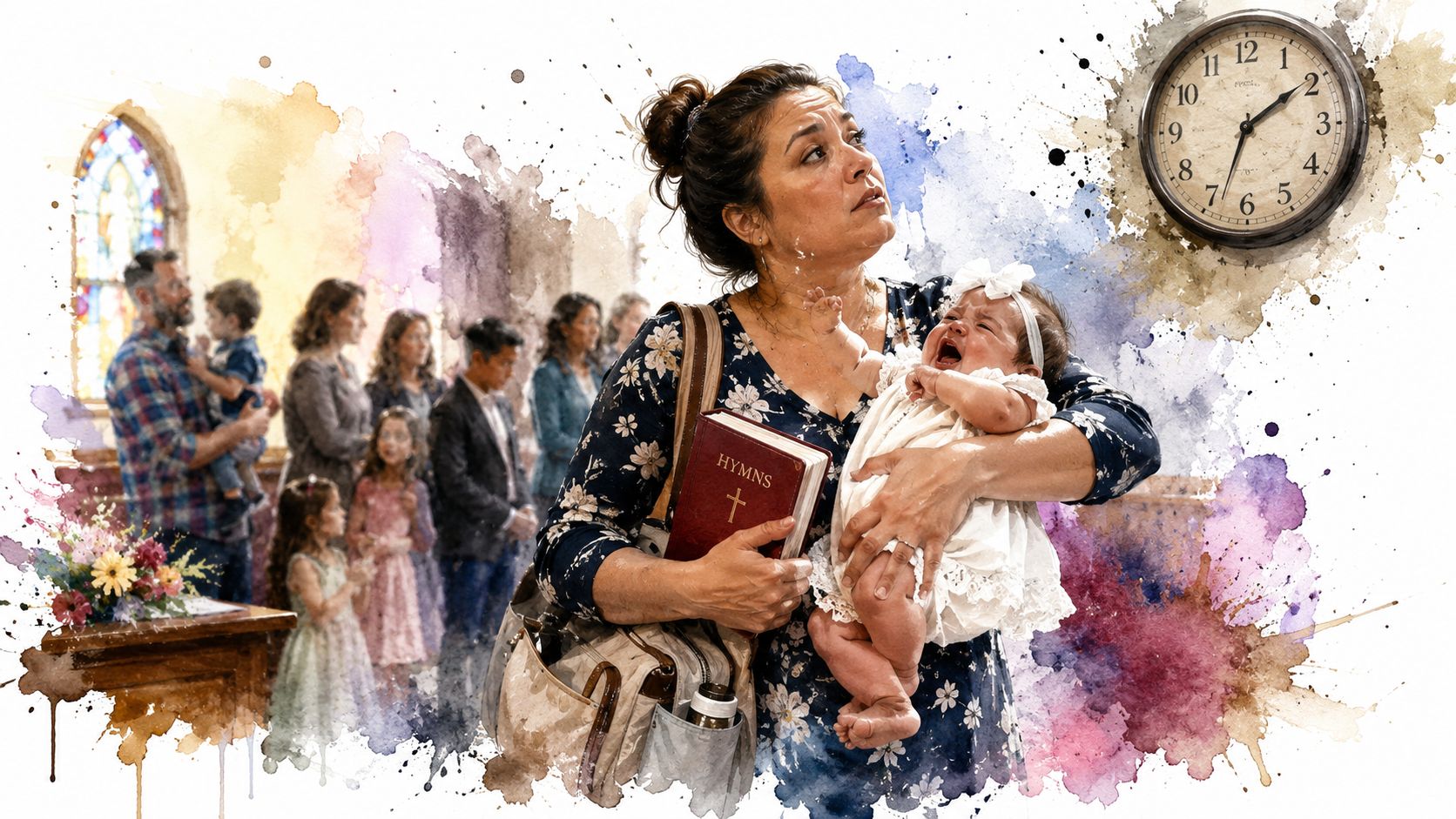
You've got the church time, the family photos, and the post-service gathering on the calendar. Then your baby spits up on the outfit while you're still trying to get out the door, and suddenly the beautiful dedication-day vision feels less important than finding a clean diaper and a comfortable layer.
That tension is exactly why Christian baby dedication outfits deserve more thought than a simple white-clothing rule. The right choice should honor the ceremony, look polished in photographs, and let your baby stay reasonably comfortable while being held, seated, fed, changed, and admired by relatives.
Why Dedication Day Outfits Matter More Than You Think
Dedication day often starts with a carefully planned outfit, a packed diaper bag, and a baby who has no interest in cooperating. Parents may be balancing church expectations with grandparents' opinions, deciding whether a gown feels too formal or a romper feels too casual. Meanwhile, the child may spend the service in someone's arms, sleep through the ceremony, or become fussy under warm indoor lights.
The clothing matters because it becomes part of the day's memory. Family members will remember the blessing, the prayers, and the commitment being made, but they'll also look back at photographs showing how the child was dressed and cared for. A garment that wrinkles badly, overheats the baby, or makes diaper changes difficult can turn a meaningful morning into a series of avoidable interruptions.
Treat the outfit as part of the ceremony plan
A dedication outfit has three jobs:
- Respect the setting: It should look modest, neat, and appropriate for your congregation's culture.
- Support the baby: Soft construction, breathable fabric, and easy access for feeding or changing matter more than elaborate decoration.
- Photograph well: Clean lines, gentle colors, and limited bulk keep the focus on the child and family.
That combination is more useful than chasing a single “perfect” style. A traditional gown can work beautifully, but so can a cream romper or a simple faith-inspired set if it suits the church and the child.
Parents planning professional portraits may also benefit from reviewing professional newborn photos in Atlanta for ideas about natural posing, soft styling, and clothing that remains visually calm in family images. The same principles apply to dedication photographs: texture and fit should support the moment, not overpower it.
Practical rule: Choose the outfit your baby can wear comfortably for the entire schedule, not just for the few minutes on the platform.
The spiritual commitment comes first, but practical preparation protects the experience. Bring a complete backup outfit, keep stain supplies in the diaper bag, and try the clothing before dedication day. You'll feel calmer, and a calmer caregiver usually makes the baby's day easier too.
The Meaning and History Behind Baby Dedication
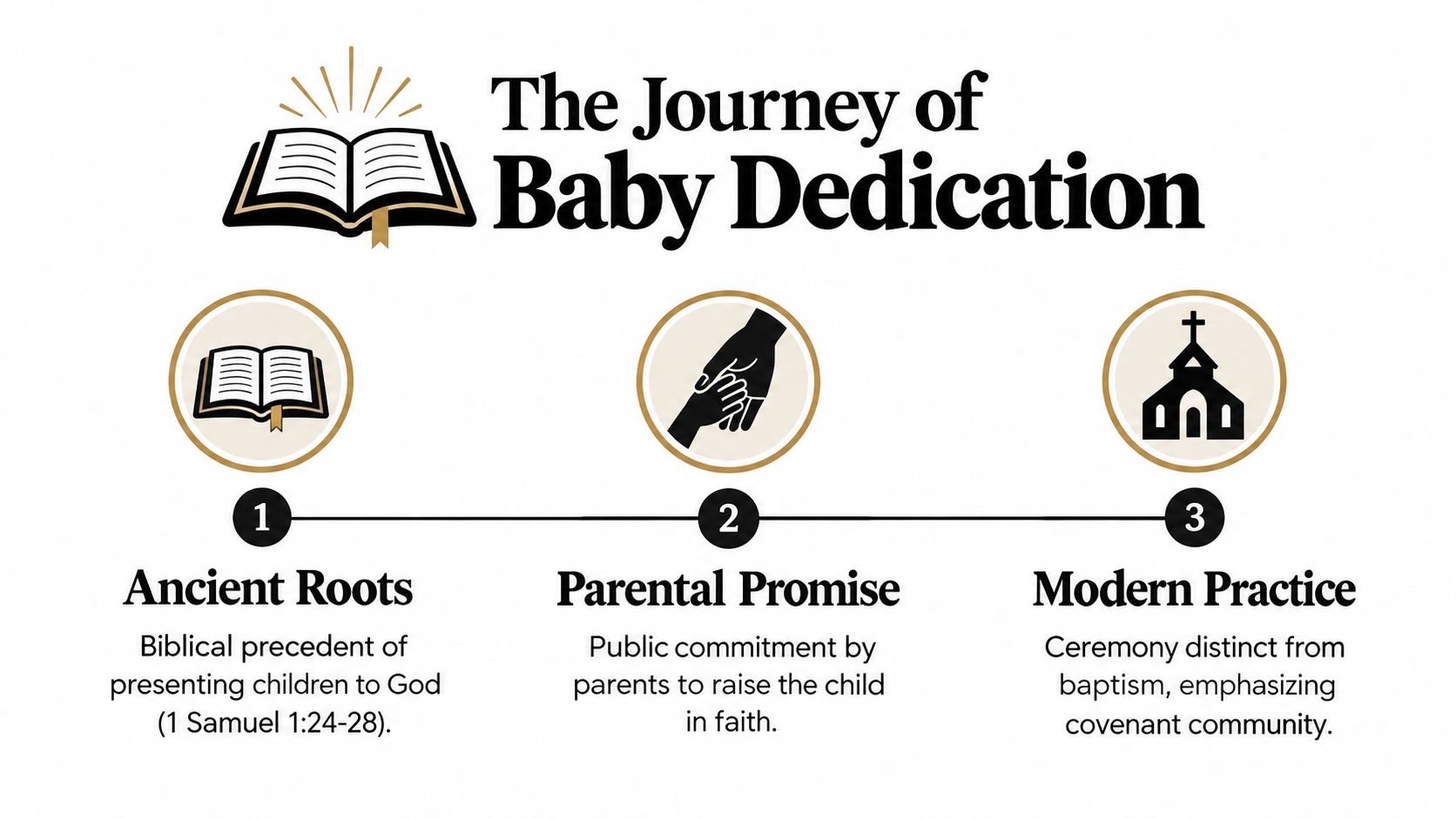
Baby dedication is a public commitment made by parents and a church community. Parents present their child, acknowledge their responsibility to raise that child in the faith, and ask the congregation to support the family. The baby isn't making a personal profession of faith. The ceremony centers on parental intention, prayer, and community encouragement.
That distinction is why many families see dedication as different from infant baptism. Churches vary in theology and practice, so parents should ask their pastor what the ceremony means in that congregation. Some families choose dedication instead of baptism, while others observe both at different points in the child's life.
The tradition has deep roots
Historical summaries connect Christian dedication language with Exodus 13:2, where the firstborn is described as belonging to God. Christian communities have also drawn on biblical accounts of parents presenting children to God, including Hannah's presentation of Samuel. Over time, churches developed distinct ceremonies that emphasized parental responsibility and the involvement of the faith community.
The practice became especially significant in Anabaptist communities in 1523, when child dedication was instituted for all children from believing households rather than only firstborn sons. That gives the practice at least 500 years of history in its modern evangelical form, as summarized in the history of child dedication.
Many evangelical denominations, including Baptists and Pentecostals, later adopted baby dedication as a recognizable church milestone. The exact wording and ceremony format still differ from church to church, so your pastor's instructions should take priority over general traditions.
What the clothing symbolizes
White and cream garments often communicate celebration, reverence, and new beginnings. They can also connect the child's ceremony with older Christian traditions of formal presentation clothing. Still, the garment itself doesn't create the spiritual meaning. The parents' promise and the church's support carry that weight.
Families can explain the ceremony.
“We're publicly committing to raise our child in the Christian faith and asking our church family to support us.”
That sentence helps relatives understand why the day matters, especially if they're unfamiliar with dedication or assume it's identical to baptism. Choosing godparents or other trusted faith mentors can also become part of the family's preparation. Parents who want to think carefully about those relationships can use this guide on how to choose godparents.
Traditional Gowns Versus Modern Faith-Inspired Looks
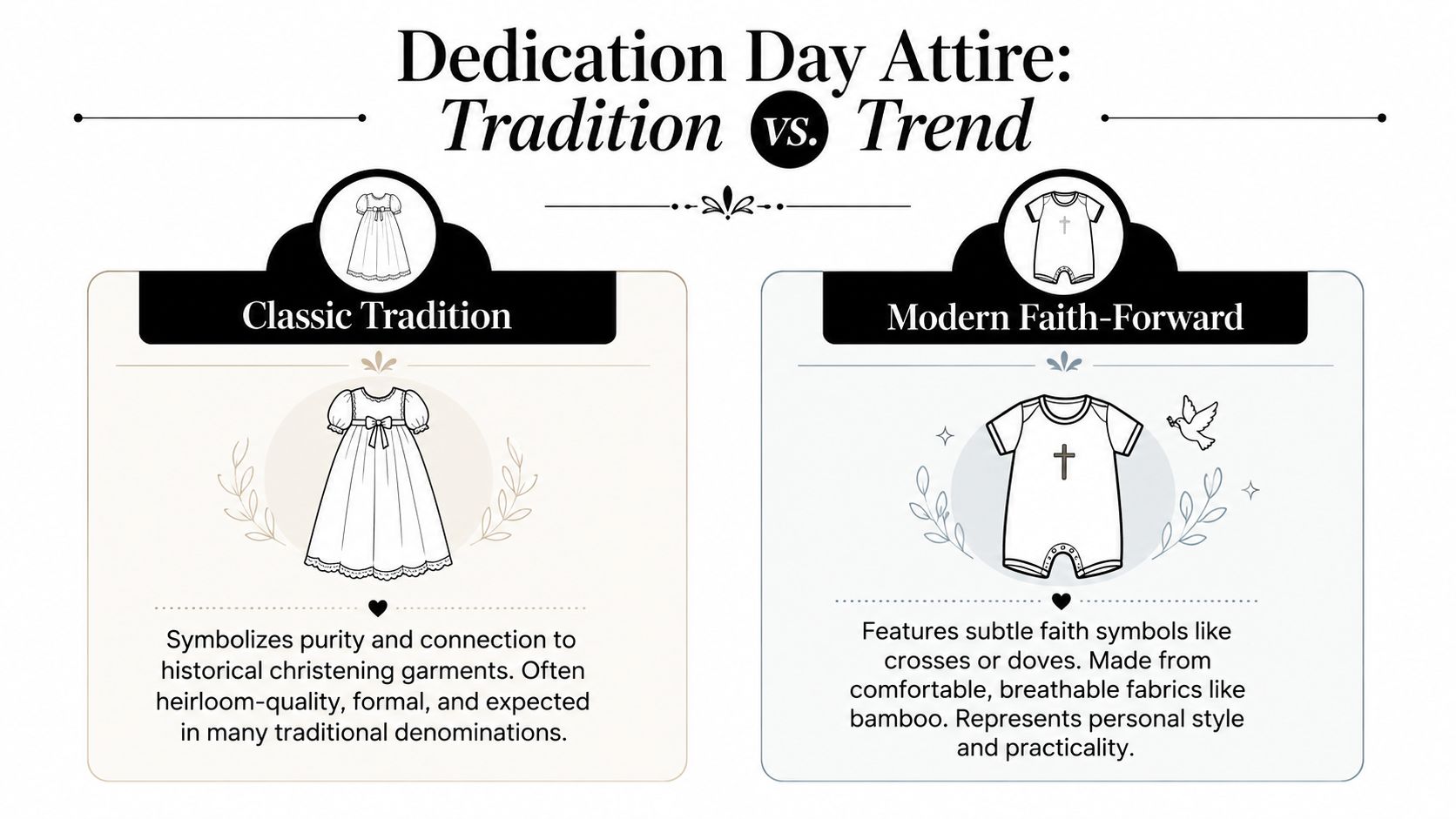
A long white dedication gown creates an immediate sense of ceremony. It photographs beautifully when the fabric hangs well, and families often save it as an heirloom for younger siblings or future generations. The downside is practical: long hems can bunch while the baby is held, layered fabric can become warm, and complicated fastenings can make diaper changes frustrating.
A modern outfit gives you more flexibility. A bamboo romper, neutral two-piece set, or polished daywear look can still feel special without turning the baby into a bundle of stiff fabric. Faith details such as a small cross, dove, scripture-inspired wording, or creation-themed print can express the occasion without requiring a formal christening silhouette.
Compare the trade-offs
| Style | Best fit | Watch for |
|---|---|---|
| Long white gown | Formal congregations, heirloom-minded families, staged portraits | Excess fabric, heat, difficult changes |
| White or cream romper | Younger babies, long services, frequent holding | Casual details that may look more like everyday sleepwear |
| Two-piece set | Toddlers, active children, post-service gatherings | Waistbands or layered tops that ride up |
| Faith-inspired daywear | Families wanting symbolism with everyday usefulness | Large graphics or bright patterns that dominate photos |
Church culture should guide the level of formality. Some congregations expect a gown or dress, while others welcome a clean romper or simple outfit. Ask whether the pastor has a preferred color, length, or style before ordering. A beautiful garment that conflicts with the church's expectations creates unnecessary stress.
Photography also changes the decision. White clothing against a bright church background can lose detail, so soft ivory, cream, or subtle texture may photograph more naturally than stark white. Avoid bulky bows, scratchy lace, stiff collars, and oversized embellishments that distract from the baby's face.
For a broader look at silhouettes that can work across church ceremonies, browse these baptism outfit ideas. Baptism and dedication aren't the same ceremony, but families often face similar questions about formality, symbolism, and comfort.
Here's the most sensible compromise for many families: choose a ceremony-ready base layer, then add one traditional element. A simple ivory romper with a delicate cardigan, a classic gown over a soft bodysuit, or a neutral set with a meaningful accessory can satisfy family expectations without sacrificing movement.
Fabric Safety and Certification Standards You Should Know
A soft-looking outfit isn't automatically a safe outfit. Babies have prolonged skin contact with clothing, and dedication ceremonies can involve hours of wearing, holding, sleeping, sweating, and rubbing against fabric. Look beyond words such as “natural,” “gentle,” or “hypoallergenic” and check whether the finished garment has independent testing.
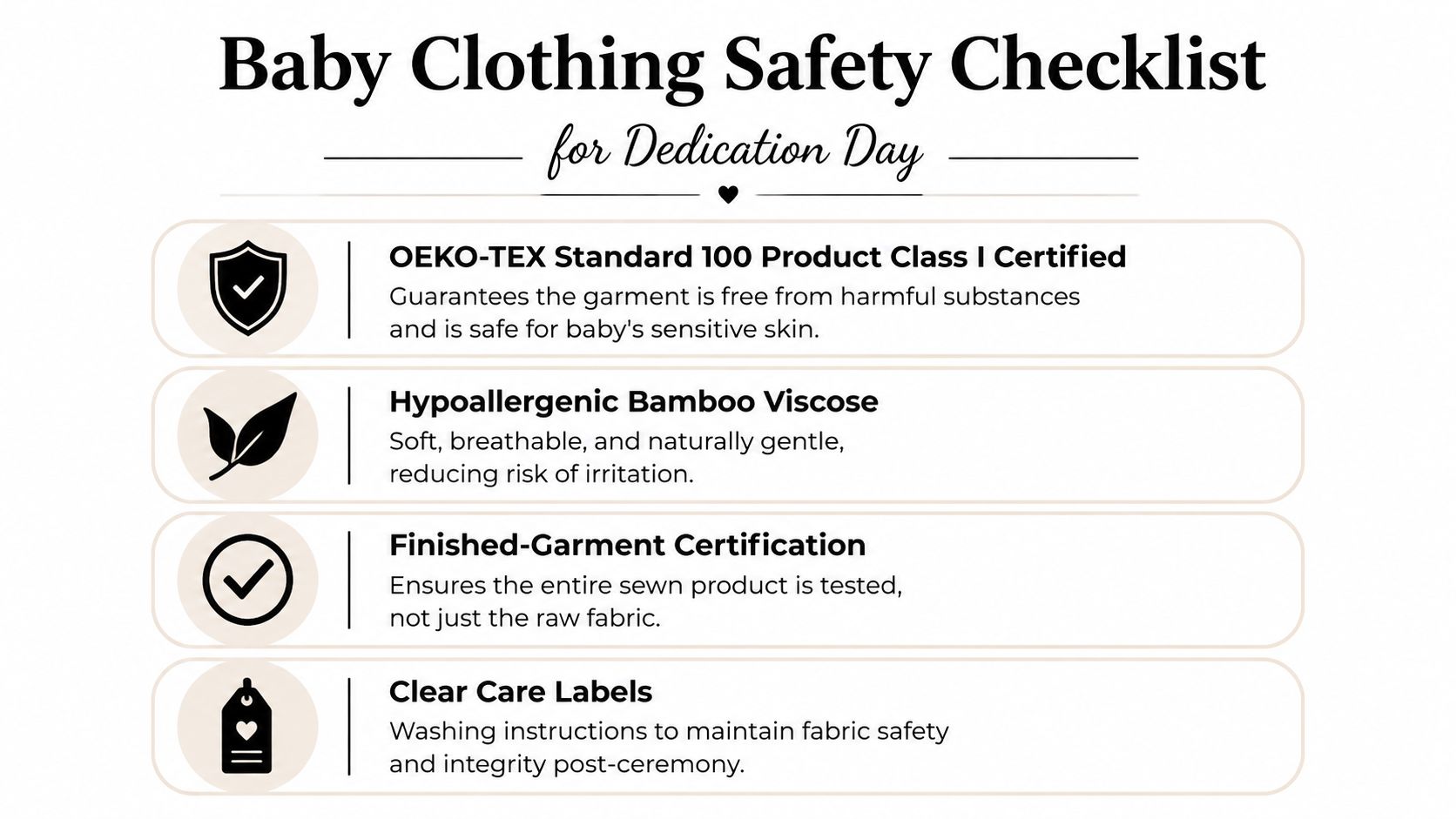
The most useful technical filter for baby dedication clothing is OEKO-TEX Standard 100 Product Class I. This is the strictest tier for babies and toddlers, designed around the lowest allowable limits for harmful substances in every component of the item, according to this guide to baby clothing safety standards.
Why the finished garment matters
A fiber claim only describes part of the product. The baby also touches:
- Snaps and fasteners
- Thread and stitching
- Dyes and prints
- Elastic
- Decorative trims
- Linings and labels
A finished-garment certification addresses the item as it is sold, rather than treating the raw fabric as the whole safety story. That distinction matters for ceremony wear because parents often choose decorative garments with extra trims, embroidery, lining, or closures.
Ask the seller whether certification applies to the complete sewn outfit. If the answer only describes the fabric, keep looking for clearer documentation.
Bamboo viscose needs a closer look
Bamboo viscose can feel smooth and lightweight, and baby-apparel guidance positions certified bamboo fabrics as useful for moisture management and reduced sweat retention compared with cotton. That can help when a baby spends a long time in warm indoor settings. Still, bamboo viscose is processed into rayon or viscose, so the bamboo label alone doesn't prove that the final item is free from unwanted substances.
Choose the garment based on the full combination:
- Lightweight construction: Less bulk helps reduce overheating.
- Breathable fabric: Air movement supports comfort during extended wear.
- Moisture management: Less sweat retention can reduce clamminess and friction.
- Independent testing: Finished-garment certification gives you a concrete benchmark.
- Simple interior: Fewer seams and scratchy trims mean fewer irritation points.
Care instructions matter too. A garment that requires harsh handling or loses its shape quickly may become less comfortable after washing. Before buying, check the label, inspect the inside, and run your hand over seams and closures. If the outfit feels rough to you, it's unlikely to feel pleasant against a baby's skin during a full service.
Parents who want a clearer explanation of the certification can review what OEKO-TEX Standard 100 means before comparing labels.
Choosing the Right Size and Style for Ceremony Day
Buy for the baby's likely fit on the ceremony date, not for the size they wear today. Babies can change quickly, and an outfit ordered too early may fit beautifully in the package but feel tight when the service arrives. Use the seller's current measurements, compare them with your child's measurements, and leave enough room for natural movement without sizing so generously that the garment looks sloppy.
A slightly relaxed fit usually works better than a tight formal silhouette. The baby may wear a diaper, bodysuit, socks, or cardigan underneath, and caregivers need to lift, settle, and reposition the child without fighting the clothing.
Match the design to the baby's age
Young babies often spend the ceremony lying down, sleeping, or being carried. A soft romper with accessible snaps can be easier than a long gown with multiple layers. Older babies and toddlers may crawl or walk during family gatherings, so a shorter hem and flexible two-piece set can prevent trips and preserve the outfit after the formal portion ends.
Feeding access deserves equal attention. If the caregiver needs to remove half the outfit to feed the baby, the design is too complicated for the schedule. Look for:
- Accessible closures: Snaps or openings should be easy to operate.
- Flexible waistlines: Avoid stiff bands that press into the stomach.
- Room through the seat: Diapers need space without pulling at seams.
- Low-bulk layering: A cardigan is more useful than a heavy, scratchy jacket.
- Secure details: Avoid loose decorations that a baby can grab or mouth.
Fabric performance affects comfort because babies are often held for long periods in warm indoor settings. Breathability and moisture management influence the skin microclimate, so a lightweight outfit is a smarter choice than a visually impressive but heavy one, as discussed in this guidance on bamboo viscose for babies.
Use a ceremony-day test
Dress the baby in the complete outfit before the event. Let them sit, lie down, be held, and move around. Check whether the neckline rubs, the sleeves twist, the closures open easily, and the diaper area remains accessible.
Pack a backup that looks intentional, not merely functional. A clean cream romper or neutral set can step in after spit-up, food, or a diaper leak without ruining family photographs. Keep wipes, a stain cloth, an extra bib, and a spare layer nearby, then hand the bag to the person least likely to be standing in the family photo.
Where to Find Faith-Inspired Pieces and How to Style Them
The best source depends on what you want the outfit to do after dedication day. If you're buying a formal heirloom, look for a specialist christening or ceremony retailer with careful garment measurements and clear fabric details. If you want something the child can wear again, search children's clothing brands for soft daywear with restrained faith-inspired details.
Little Venture Co. offers bamboo sleepwear and daywear for babies and toddlers, including zip rompers, two-piece sets, and accessories. Its materials are described as OEKO-TEX Standard 100 certified, which gives families a practical safety point to verify when considering faith-inspired clothing for a ceremony.
Style the family, not just the baby
Coordinated family clothing looks better than identical family clothing. Choose a shared color direction, then let each person wear a different texture or silhouette. An ivory baby outfit can sit naturally beside navy, tan, sage, or muted blue clothing for parents and siblings without turning the photographs into a uniform.
For a traditional look, keep the baby's outfit quiet and let the family add personality through accessories. For a modern look, pair a simple faith-inspired romper with polished trousers, a cardigan, or a soft dress. Avoid putting large logos, competing patterns, or highly reflective materials next to the baby's face.
Symbolic details can also become keepsakes. A small cross, dove, creation motif, or meaningful scripture reference may help the family remember why the day mattered. Keep the symbol secure and comfortable, and don't add a pin or charm that could scratch the baby or detach during handling.
Relatives who want to contribute a ceremonial accessory may also want to browse child baptism stoles from Stoles.com®. A stole may not fit every dedication tradition, so confirm with the church before purchasing, but it can offer a meaningful option for families whose congregation welcomes symbolic garments.
For gift-givers, a coordinated clothing set can be more useful than a single formal piece. Explore baby bundle sets when grandparents, godparents, or church friends want to give clothing that supports both the ceremony and everyday wear.
The broader baby apparel market gives families plenty of choice. Major market reporting estimates the global industry at USD 177.1 billion in 2023 and projects USD 248.25 billion by 2030, with a 4.8% CAGR, according to Grand View Research's baby apparel market analysis. That scale means you don't need to settle for an outfit that looks appropriate but ignores comfort or care requirements.
Your Dedication Day Outfit Plan and Final Tips
Most advice about dedication clothing stops at “wear white or cream.” That misses the decision families need to make. They need an outfit that works for church seating, family photographs, baby care, and the gathering afterward, not just the formal presentation. The safest choice is the one that meets your church's expectations while remaining easy to wear and easy to replace.
In the days before the ceremony
Use this final-week plan:
- Confirm the church expectations. Ask about color, gown length, shoes, accessories, and whether the baby will be held or positioned in a particular way.
- Try the full outfit. Include the diaper, undershirt, socks, cardigan, and any headwear. Check fit while the baby is sitting and being carried.
- Wash according to the care label. This removes packaging odors and lets you identify shrinkage, fading, or roughness before the event.
- Prepare the backup. Pack a complete second outfit, not just an extra top.
- Assign the bag manager. Choose one adult to handle wipes, changes, stains, layers, and the spare garment.
- Plan the photographs. Decide whether the baby will wear the formal piece for every photo or change into a simpler outfit afterward.
Store the main outfit clean, dry, and protected from spills until it's time to dress. If it's an heirloom gown, fold it carefully after the event and follow appropriate textile-storage guidance rather than leaving it compressed in the diaper bag.
Let the baby set the limit
If the baby is overheating, rubbing at a seam, hungry, or exhausted, comfort takes priority over keeping the outfit pristine. You can photograph the garment before the ceremony, after a change, or while the child is safely settled. The clothing should support the family's celebration, not become the thing everyone is managing.
Choose a polished base, verify the fabric and finished-garment safety information, test every closure, and pack a backup. Then turn your attention back to the promise being made and the people gathered to support it.
Little Venture Co. offers faith-inspired bamboo sleepwear, daywear, zip rompers, two-piece sets, and accessories for babies and toddlers, with OEKO-TEX Standard 100 certified materials described for sensitive skin. Visit Little Venture Co. to find a comfortable, ceremony-ready piece that can keep serving your family after dedication day.