

Best Toddler Blankets for Safe Cozy Sleep and Play
Bedtime has arrived, your toddler is rubbing their eyes, and the familiar sleep sack suddenly seems too babyish. They want the blanket on their bed, but you're wondering whether they're ready, which fabric won't leave them sweaty, and whether the softest option is the safest. Those are sensible questions because a toddler blanket has to do more than feel pleasant. It needs to match your child's development, the way you'll use it, your climate, and your laundry routine.
The best toddler blankets aren't chosen by softness alone. Start with safe use, then consider breathability, weight, size, certification, and durability. A lightweight blanket for supervised cuddles has a different job from bedding used overnight, and treating those products as interchangeable can create confusion.
Why Choosing the Right Toddler Blanket Matters More Than Softness
A parent may begin shopping after seeing a toddler kick off their sleepwear for the third time in one night. Another may be preparing a first toddler bed and hoping a familiar blanket will make the change feel less frightening. In both situations, softness matters because texture can provide comfort, but it's only one part of the decision.
A blanket can become a comfort object, a warmth layer, a stroller cover, or part of a bedtime routine. It can also bunch around a child's face, trap heat, shed fibers, or become difficult to wash if its construction doesn't suit everyday family life. The right question isn't “Which blanket feels softest in the shop?” It's “Which blanket performs safely and comfortably for this specific moment?”
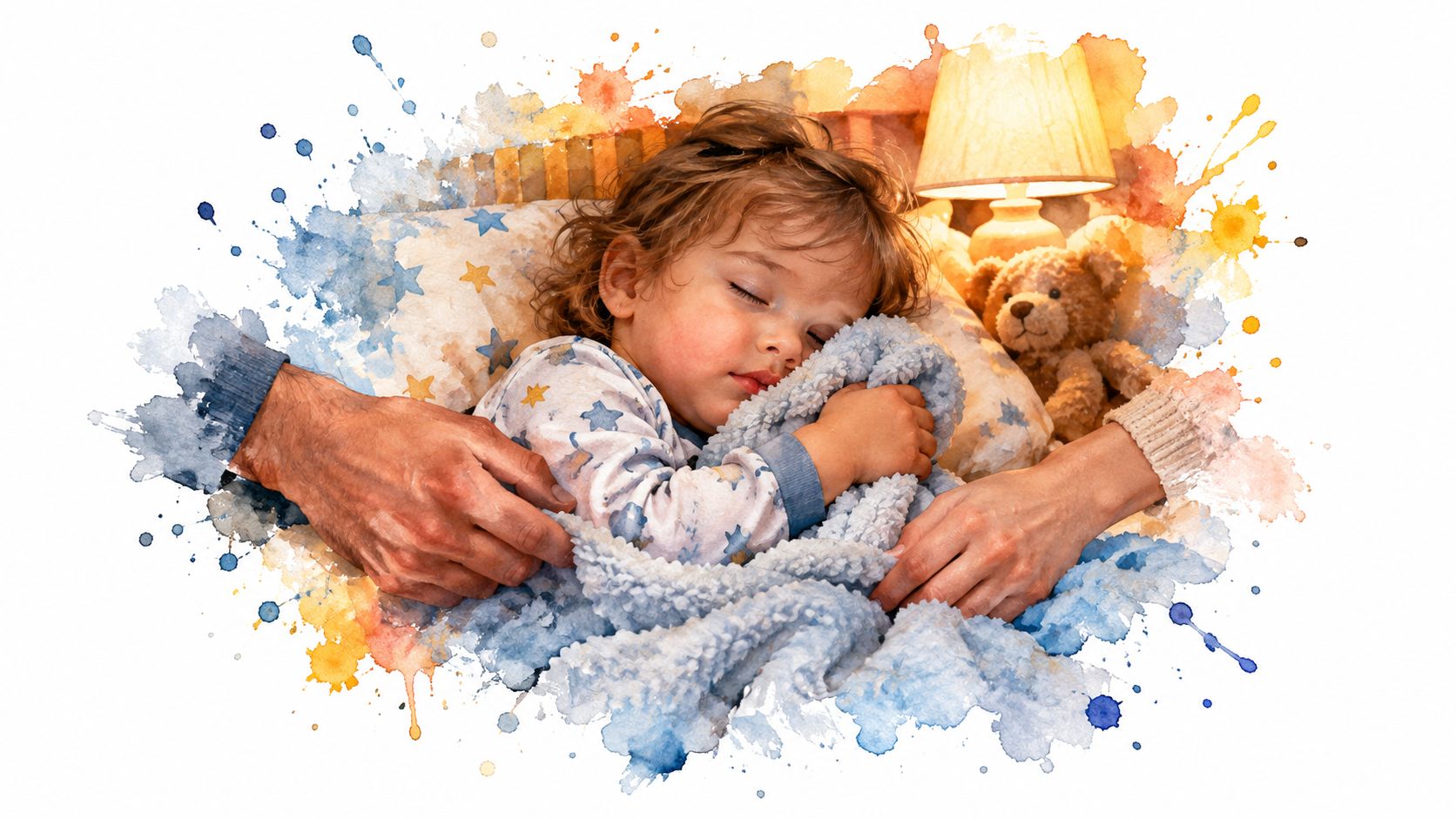
Begin with the blanket's job
Separate your needs before comparing fabrics:
- Overnight sleep: Safety guidance takes priority. A wearable sleep layer may remain the better choice for a younger or restless child.
- Cuddling and reading: A small, washable blanket can provide comfort while an adult is nearby.
- Stroller and travel: Portability, light weight, and easy laundering matter more than bed coverage.
- Play: Texture and durability can be useful, but decorative details should still be secure.
Soft bedding has a long history as a serious infant sleep concern. The U.S. Consumer Product Safety Commission reported an annual average of 100 infant deaths between 2018 and 2020, most associated with extra bedding such as pillows, blankets, and comforters in sleep products not intended for safe sleep, and also noted 15 annual deaths associated with inclined infant products during that period (NIH-hosted safety review). That infant evidence doesn't mean every older toddler blanket is unsafe, but it does explain why age and use context must come before coziness.
A useful rule: Choose the safest appropriate sleep layer first. Choose softness, color, and style only after that decision is clear.
This guide follows that order. You'll first assess readiness, then compare fibers and construction, match warmth to real conditions, select a practical size, and check care labels and certification. By the end, “best” should feel less like a ranking and more like a confident match between your child and the blanket's job.
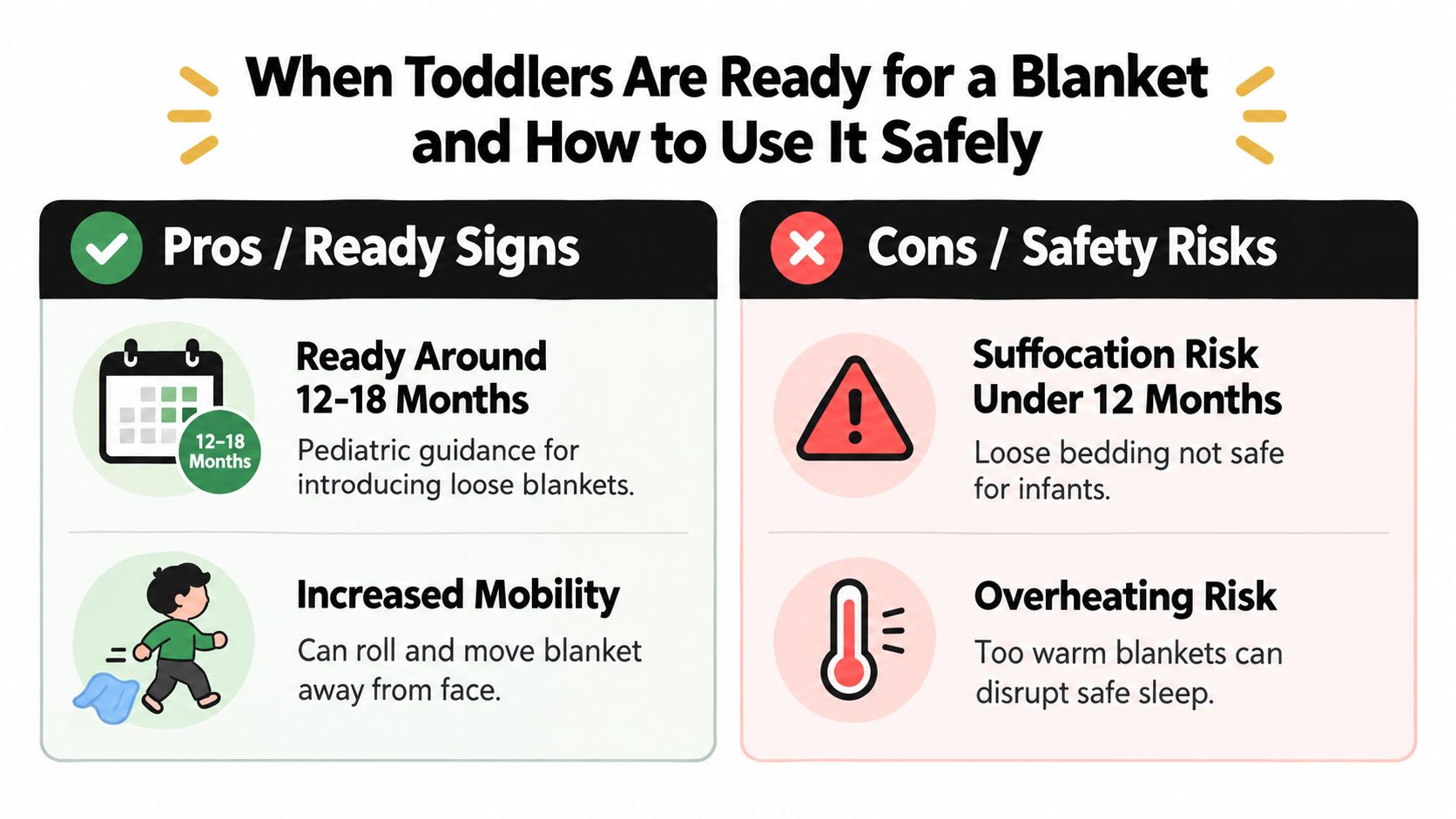
When Toddlers Are Ready for a Blanket and How to Use It Safely
A toddler may wake chilly and reach for a blanket, yet readiness depends on movement rather than a birthday. A child who can change position, move freely, and push fabric away can manage a loose layer differently from an infant who cannot reliably clear the face.
Loose bedding is not considered safe in an infant sleep space. Historical research found that nearly 55% of U.S. infants were still placed to sleep with potentially unsafe bedding (National Institutes of Health summary). The finding concerns infants, but it gives parents a clear starting point: assess development and the blanket's purpose before choosing softness or warmth.
Look for movement and practical readiness
Your toddler may be ready to practise with a light blanket when they can:
- Move around confidently: They can roll, sit, stand, and change position without help.
- Handle fabric: They can pull a thin blanket away from their face.
- Follow simple routines: They respond to reminders such as keeping the blanket below the shoulders.
- Stay comfortable without thick layers: They do not depend on a heavy, plush covering to stay warm.
Many families consider a loose blanket around the 12-to-18-month stage, but children develop at different speeds. If your child sleeps well in a sleep sack, there is no reason to rush. A properly sized wearable layer keeps warmth close without placing loose fabric in the sleep space, a safer option emphasized in HealthyChildren.org safe-sleep guidance.
Match the blanket to the job
A thin blanket during a supervised story is different from one left on a child overnight. For cuddling, travel, or a stroller walk, stay close enough to see whether fabric covers the face or tangles around the body. A small, washable blanket suits these comfort uses, while sleep requires closer attention to size, airflow, and warmth. Remove it when your child is unattended or you cannot monitor their position.
For a younger toddler's sleep, choose a blanket that is thin, lightweight, breathable, and appropriately sized. Avoid heavy, oversized, weighted, or very plush designs. Head covering and restricted airflow are the main concerns, and excess warmth can also interrupt comfortable sleep. Introduce the blanket during a calm routine, observe how your child handles it, and keep the wearable sleep layer if the transition is unsettled.
Parents changing more than one sleep habit at once can use this guide to stopping swaddling. Separating the sleep transition from supervised comfort practice can make it easier to see which arrangement works for the child.
Toddler Blanket Materials Explained From Bamboo to Cotton
Fabric labels can sound technical, but the everyday comparison is simple. A breathable material behaves more like a comfortable cotton T-shirt, while a dense or lofty material behaves more like a winter coat. Neither is automatically better. The best choice depends on your child's skin, sleep temperature, and how often the blanket will be washed.
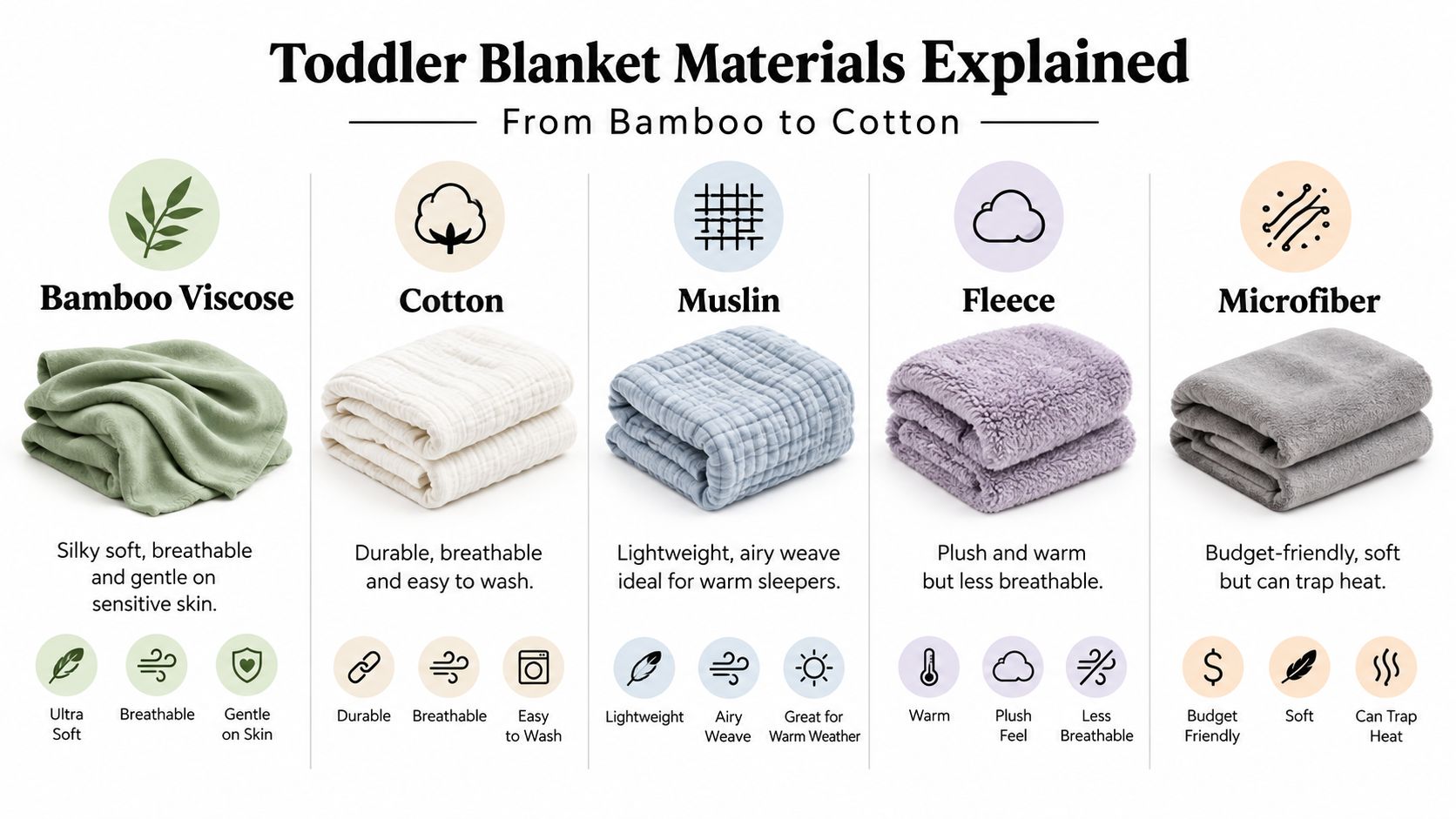
How common fabrics behave
Bamboo viscose is known for a smooth, silky hand-feel and can be a comfortable option for sensitive skin. Its light, fluid drape suits families who want a gentle layer without a bulky feel. Care instructions matter because repeated high heat can affect softness and shape.
Cotton is the practical all-rounder. It's breathable, familiar, and generally easy to wash, while different weaves create different warmth levels. A tightly woven cotton blanket may feel warmer than an airy cotton gauze, even though both begin with the same fiber.
Muslin uses a loose, open weave, making it a useful choice for warm rooms and hot sleepers. It offers airflow rather than heavy insulation, so it's better suited to light comfort or mild conditions than to creating deep winter warmth.
Fleece feels plush and warm, often with little weight. That cozy surface can be appealing in a cold room, but synthetic fleece may feel less breathable than cotton or bamboo and can hold heat around a warm sleeper.
Microfiber is usually smooth, affordable, and easy to handle. Its performance varies by construction, so check whether the blanket feels clammy or overly warm against your child's skin before using it regularly.
Use certification as a screening tool
OEKO-TEX STANDARD 100 Class I is the strictest product class and is intended for babies and toddlers up to 36 months. It includes bedding and related materials, making it a useful signal when you're trying to reduce concern about substances in textiles that touch skin or may be mouthed (OEKO-TEX STANDARD 100 standard).
Certification doesn't tell you whether a blanket is too warm, too large, or appropriate for unattended sleep. It answers a narrower question about tested substances. Pair it with a breathable construction, secure edging, a sensible size, and clear care instructions.
For readers comparing plant-based fibers in more detail, this organic cotton versus bamboo guide offers helpful context. If you're curious about plush synthetic fabric construction for sewing or blankets, the More Sewing minky tutorial is also a useful technical resource.
Weight Warmth and Seasonality Made Simple
Fiber tells you what a blanket is made from. Weight and construction tell you how it behaves. A loose weave lets more air pass through. Several layers, a dense weave, or a raised pile hold more warmth. A quilt may feel warmer than a single-layer cotton blanket because its structure creates additional insulating space.
Nursery conditions also change throughout the day. A room may feel comfortable at bedtime and warmer later, especially in humid weather or when heating runs overnight. Rather than choosing the thickest blanket for winter and the thinnest for summer, build a small set of layers that you can adjust.
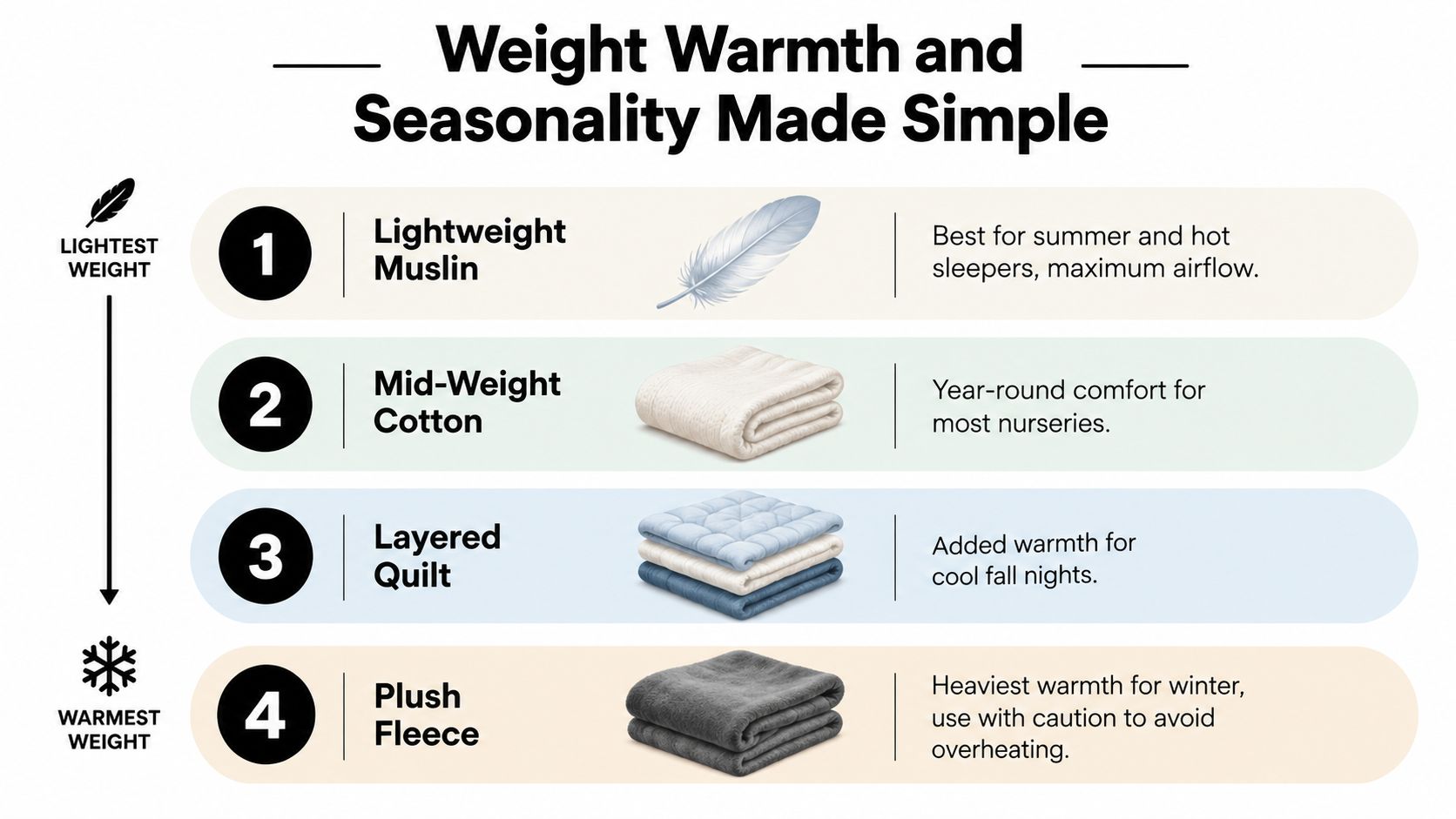
Match the blanket to the setting
- Hot summer or humid rooms: Choose muslin, gauze, or another lightweight breathable construction. The goal is airflow, not a thick layer.
- Mild weather: Mid-weight cotton often works well because it can provide comfort without the bulk of plush fabric.
- Cool autumn nights: A light quilt or an additional supervised layer may provide more warmth than a single thin blanket.
- Cold winter conditions: Fleece or a layered construction may feel warmer, but use caution with heavy or plush options and check your child for signs of overheating.
A blanket that works for a supervised stroller nap may not be the right choice for overnight sleep. In a sleep space, avoid trying to compensate for a cold room with a heavy loose blanket. Consider properly fitted sleepwear or a wearable sleep layer instead, then follow your pediatrician's guidance for your child's circumstances.
If you use TOG ratings or sleep sacks, this explanation of what TOG rating means can help you understand warmth as a system rather than judging fabric by touch.
Make washability part of warmth planning
A blanket that takes a long time to dry may not be practical as your only daily layer. Toddlers spill drinks, carry blankets outdoors, and press their faces against the fabric, so machine-washability can matter as much as seasonal comfort. Breathable, easy-care textiles often work better in real homes than delicate options that remain in the laundry basket.
“Eco-friendly” also needs a practical test. Look beyond a fiber name and ask whether the blanket lasts, whether it can be washed according to your routine, and whether the manufacturer provides meaningful material and certification information.
Sizes and Styles That Fit Sleep Stroller and Cuddles
A toddler blanket should be sized for the moment you're buying it for. Parents often choose a large blanket because it seems more versatile, but extra fabric can bunch, drag, and become difficult for a small child to manage. A compact blanket may be safer and easier for comfort, even if it won't cover an entire toddler bed.
Match size to the task
| Use | Helpful characteristics | What to watch |
|---|---|---|
| Lovey or comfort cloth | Small, light, easy for little hands to carry | Avoid loose trims, detachable decorations, and long loops |
| Stroller blanket | Compact, breathable, washable, easy to fold | Keep it clear of straps, wheels, and the child's face |
| Travel blanket | Lightweight, durable, and simple to pack | Don't assume a travel blanket is suitable for unattended sleep |
| Toddler-bed blanket | Properly sized, thin, and easy to move | Avoid oversized, heavy, or highly plush designs |
| Cuddle blanket | Soft texture and manageable drape for supervised use | Store it away from the sleep space when not needed |
A lovey can support a bedtime routine because it gives your toddler something familiar to hold. It shouldn't have ribbons, cords, beads, or embellishments that can detach. Inspect the seams and edging, especially after washing.
Think about shape and construction
Rectangular blankets are easy to fold and pack. Rounded corners can reduce bulky points, while a neatly bound edge helps a light weave keep its shape. Open textures such as waffle or loose gauze may feel airy, but they can catch on rough surfaces or small hardware, so they need closer inspection.
For sleep, avoid oversized throws designed for adults. They can wrap around the body, slide over the face, or become too warm. A smaller toddler-sized blanket is easier for a child to push aside and easier for you to check during the bedtime routine.
Grandparents, church nurseries, and gift-givers can simplify their choices by asking one question first: Is this for supervised comfort or overnight sleep? A beautiful stroller or cuddle blanket can be a thoughtful gift without being presented as a sleep product. That distinction protects the child and prevents parents from having to guess how the gift should be used.
Care Durability and Certification Checks That Keep Blankets Safe
Toddler blankets live a demanding life. They collect snack crumbs, drool, outdoor dust, and the occasional bedtime accident. The best design on the shelf won't remain a good choice if it can't survive your washing routine or if damaged trim creates a new hazard.
Read the care label before buying
Look for a blanket that fits your actual laundry setup:
- Machine washing: A practical advantage for daily-use blankets, especially when spills are common.
- Low-temperature drying: Helpful for reducing stress on fibers and limiting heat-related damage.
- Air drying: Useful for delicate materials, but less convenient if you need the blanket again quickly.
- Specialist cleaning: Consider whether the extra effort makes sense for a toddler item.
Wash according to the manufacturer's instructions, use a gentle detergent if your child's skin is sensitive, and avoid assuming that “natural” means maintenance-free. High heat, rough washing, and overloading the machine can change softness, stretch edges, or encourage pilling.
Use a simple inspection routine
Before each regular use, run your hands along the blanket and check:
- Seams and binding: Look for pulled threads, open stitching, or curling edges.
- Surface condition: Remove heavily pilled, shedding, or damaged fabric from a child's sleep area.
- Decorative details: Confirm that appliqués, labels, and attachments remain secure.
- Fit and shape: Make sure washing hasn't caused excessive shrinkage or distortion.
- Cleanliness: Wash after spills, illness, or visible soiling rather than waiting for a fixed calendar.
No single washing schedule suits every family. A blanket used every night may need more frequent cleaning than one kept for occasional stroller trips. Keep a spare light layer available so you don't feel pressured to use a damp or damaged blanket.
Certification adds another check. OEKO-TEX STANDARD 100 Class I is designed for products intended for babies and toddlers up to 36 months, but certification doesn't replace safe sizing and supervision. You can learn how the label fits into a broader textile decision through this OEKO-TEX STANDARD 100 guide.
If a blanket has a handmade or sewn binding, inspect that edge carefully after washing. This blanket binding guide from quiltkit.com can help explain why secure finishing matters and what a well-constructed edge should look like.
Your Confident Choice Checklist and Meaningful Gifting Tips
Choosing among the best toddler blankets becomes easier when you stop comparing every feature at once. Decide the use first, then eliminate anything that conflicts with your child's readiness or your home routine. A blanket that is slightly less plush but breathable, washable, and correctly sized may serve your family better than a luxurious option that overheats or requires special care.
Toddler Blanket Quick Choice Checklist
| Decision Point | What to Choose | Why It Matters |
|---|---|---|
| Developmental readiness | A blanket only when your child can move and manage light fabric | Reduces concern about face covering and entanglement |
| Primary use | Separate sleep bedding from stroller, travel, and cuddle blankets | A supervised comfort blanket has different safety requirements |
| Material | Breathable cotton, muslin, bamboo viscose, or another suitable construction | Helps match texture and airflow to skin and climate |
| Weight | Thin and lightweight for younger toddlers, adjusted for conditions | Heavy or plush layers can restrict airflow and increase warmth |
| Size | Small enough for your child to manage, large enough for the intended task | Oversized fabric can bunch or become difficult to move |
| Certification | Clear OEKO-TEX STANDARD 100 Class I information where appropriate | Provides a useful tested-substance screening signal |
| Care | Machine-washable fabric with realistic drying instructions | Frequent washing is part of toddler life |
| Condition | Secure seams, intact edging, and no damaged decorations | Wear can turn a comfortable textile into a safety concern |
For gifting, ask the parents what stage their child is in before choosing a bed blanket. A faith-inspired baby shower gift might pair a meaningful message with a lightweight cuddle blanket or breathable sleepwear, while a church nursery may need durable, washable items intended for supervised comfort. Avoid presenting an oversized plush blanket as an overnight solution unless the family has confirmed that it suits their child and current guidance.
If you're buying for a child with sensitive skin, prioritize fabric feel, clear testing information, and a simple wash routine. Wash the blanket before gifting when the care label allows, remove packaging, and tell the recipient whether you imagined it for cuddles, travel, or supervised use. That small explanation makes the gift more useful and helps parents make the final safety decision.
The right blanket should leave you with fewer questions, not more. Check readiness, define the use, choose breathable construction, keep the weight modest, verify the size, read the care label, and inspect the finished blanket before placing it near your child.
Little Venture Co. offers bamboo sleepwear and sleep sacks for babies and toddlers, including TOG-rated options designed for breathable, temperature-conscious comfort. Visit Little Venture Co. to explore faith-inspired pieces that can support a cozy bedtime routine without relying on loose blankets for warmth.