

Toddler Boy Long Sleeve Shirts: A Complete Buying Guide
You're trying to get a toddler dressed, and the shirt he wore yesterday somehow feels too short, too scratchy, or too hot before breakfast is even over. That's why toddler boy long sleeve shirts are not a throwaway purchase, they're the piece that keeps the whole morning from falling apart.
The right one disappears into the routine. It sits smooth under a sweatshirt, stays comfortable on bare skin, and doesn't turn into a battle every time your child raises his arms, crawls under the table, or reaches for a toy truck. The wrong one does the opposite, and you feel it all day.
A good long sleeve shirt also earns its place in more than one season. Families use it as a base layer in colder months, as a light coverage piece when the air is still cool, and as an easy everyday top when the fabric is soft enough for all-day wear. If you want a simple reference point for a clean, fitted silhouette, the Tse Longsleeve by T-Shirt Envy is a useful example of how a long sleeve can be designed with everyday layering in mind.
Why the Right Long Sleeve Shirt Matters More Than You Think
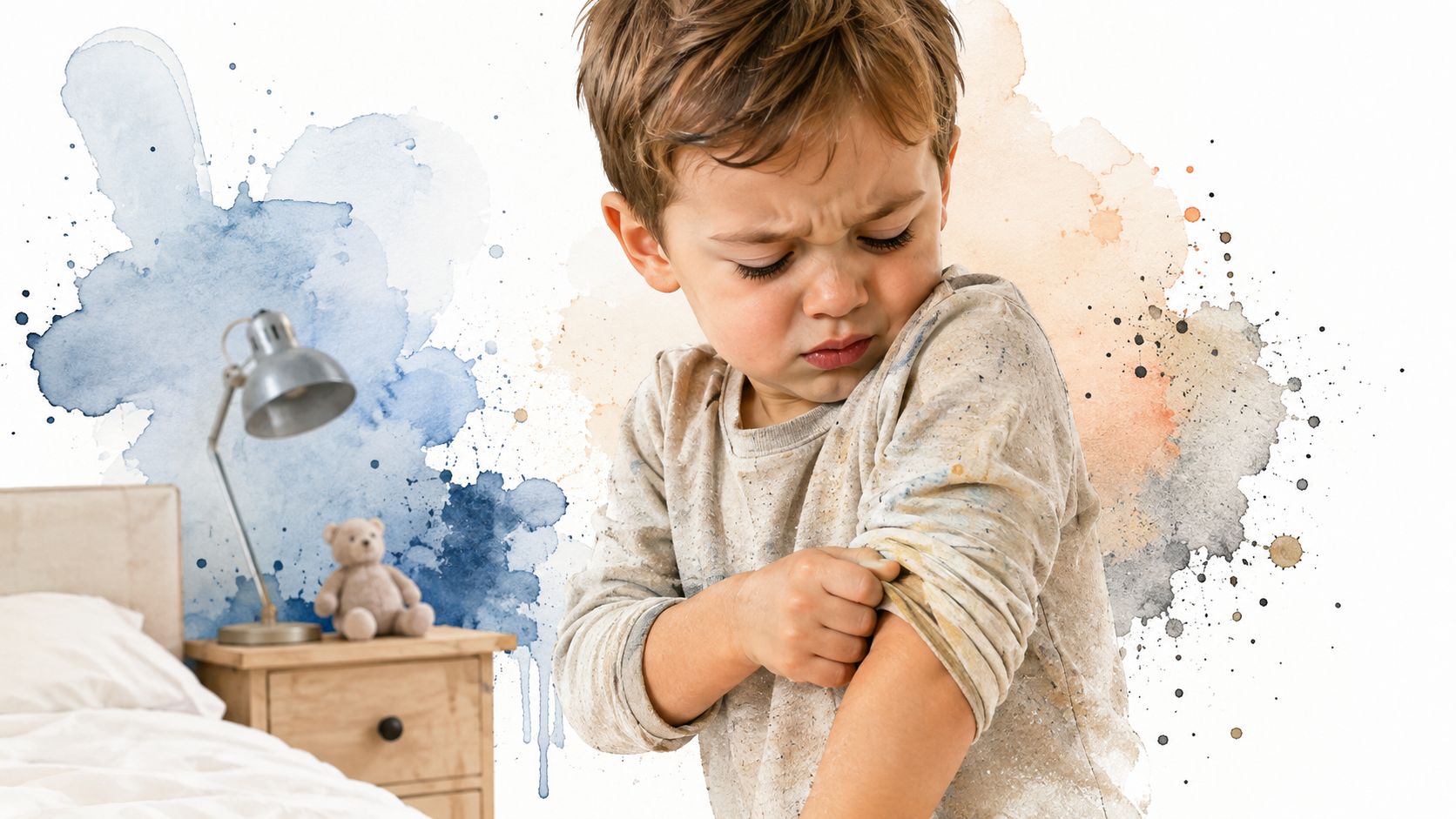
Some clothes only look right on a hanger. A toddler's long sleeve shirt has to survive meltdowns, snack spills, playground grit, and the very specific way a three-year-old insists on pulling every cuff halfway up his arm. If the fabric itches or the neckline feels tight, you're not dealing with a wardrobe issue, you're dealing with a morning problem.
Comfort shows up in behavior
Parents often blame a toddler's mood on everything except the shirt. But scratchy seams, clingy fabric, and sleeves that twist during play create constant little irritations. Those irritations matter because toddlers can't ignore them the way adults do. They tug, protest, or refuse the shirt next time.
The better choice is the shirt your child forgets about. A smooth, well-cut long sleeve becomes the thing he wears for church, daycare, errands, and naps in the car seat without fuss.
Practical rule: if a shirt makes your child calmer, easier to dress, and less likely to pull at the fabric, it's doing its job.
A workhorse beats a novelty item
The strongest long sleeve shirts are the ones you reach for again and again. In the colder months, they work under sweaters and jackets. In milder weather, they stand alone and still look pulled together.
That's why parents should think about a long sleeve shirt as a wardrobe base, not a seasonal gamble. A well-made one saves money in the long run because it gets worn constantly instead of waiting for the “right” occasion. For a toddler boy, that usually means the shirt that feels soft, covers enough, and doesn't require you to keep adjusting it.
Getting the Size Right Every Time
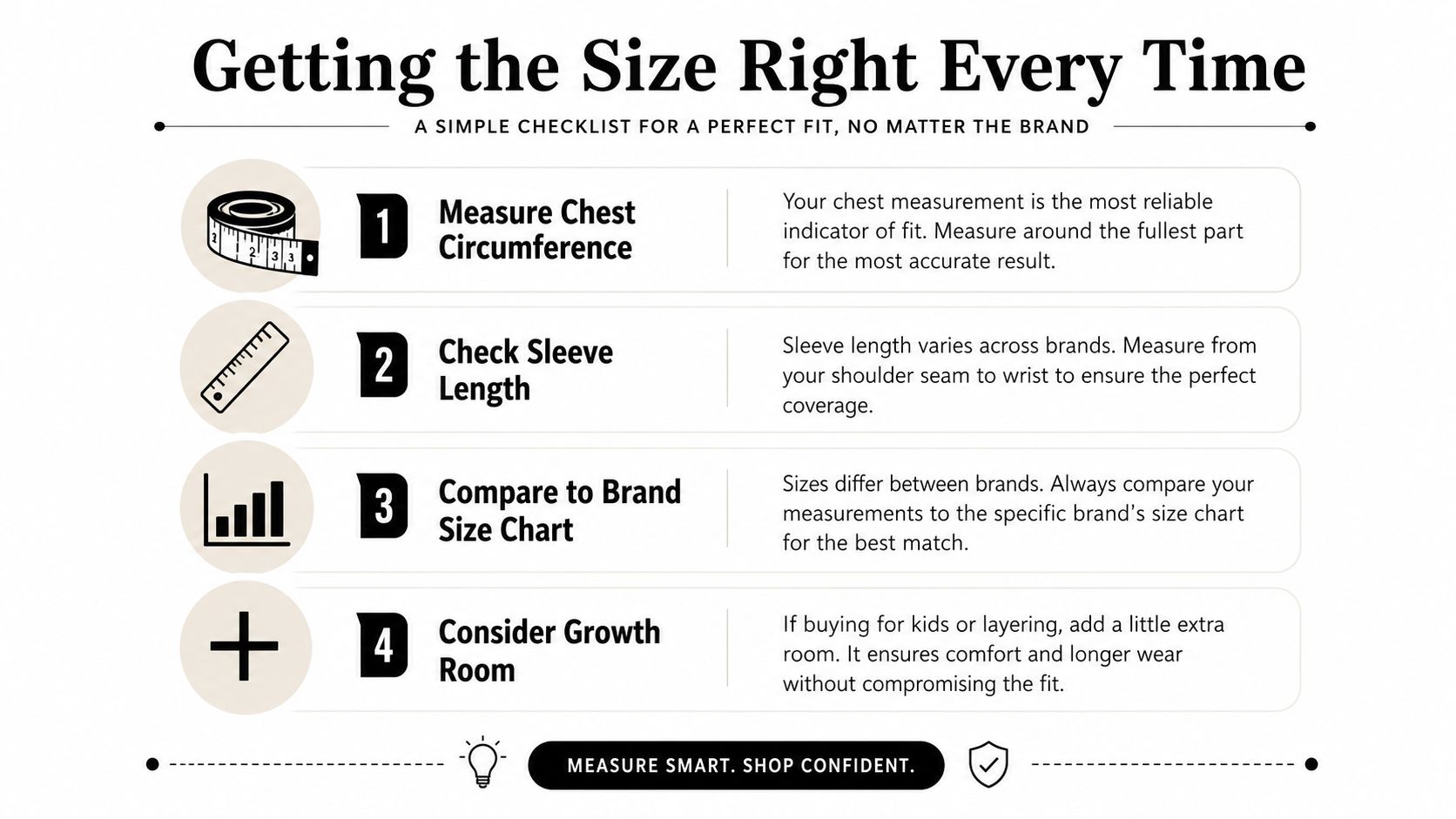
Age labels are only a starting point. A 3T can fit one brand like a comfortable everyday shirt and another brand like a cropped hand-me-down. If you want fewer returns and fewer dressing battles, measure a shirt that already fits well and use that as your standard.
Measure the shirt, not the age label
Lay a favorite shirt flat and measure chest width across the front, shoulder width from seam to seam, sleeve length from shoulder seam to wrist, and body length from the highest shoulder point to the hem. Those four numbers tell you much more than an age range ever will.
Then compare those measurements to the brand's chart. If the chart doesn't clearly show body length and sleeve length, that's a warning sign, not a minor inconvenience. Long sleeves fail most often when the arms are too short or the torso rides up during play.
Size up with purpose, not out of habit
If the shirt will be layered under hoodies or sweaters, a little extra room helps. If your child wears long sleeves on their own and hates bulk, a closer fit usually works better. The sweet spot is enough room for movement without so much extra fabric that the hem climbs up or the sleeves pool at the wrists.
Measure the shirt your child already wears on the days you never hear a complaint about it. That fit is the one worth copying.
When you're shopping across brands, the most reliable tactic is to compare reviews from parents with similarly sized children and use the brand's chart as a cross-check, not a guarantee. Little Venture Co. keeps a helpful baby clothing size chart that's worth comparing against any shirt you're considering, especially if you're trying to buy once and buy well.
Fabric Choices That Protect Sensitive Skin
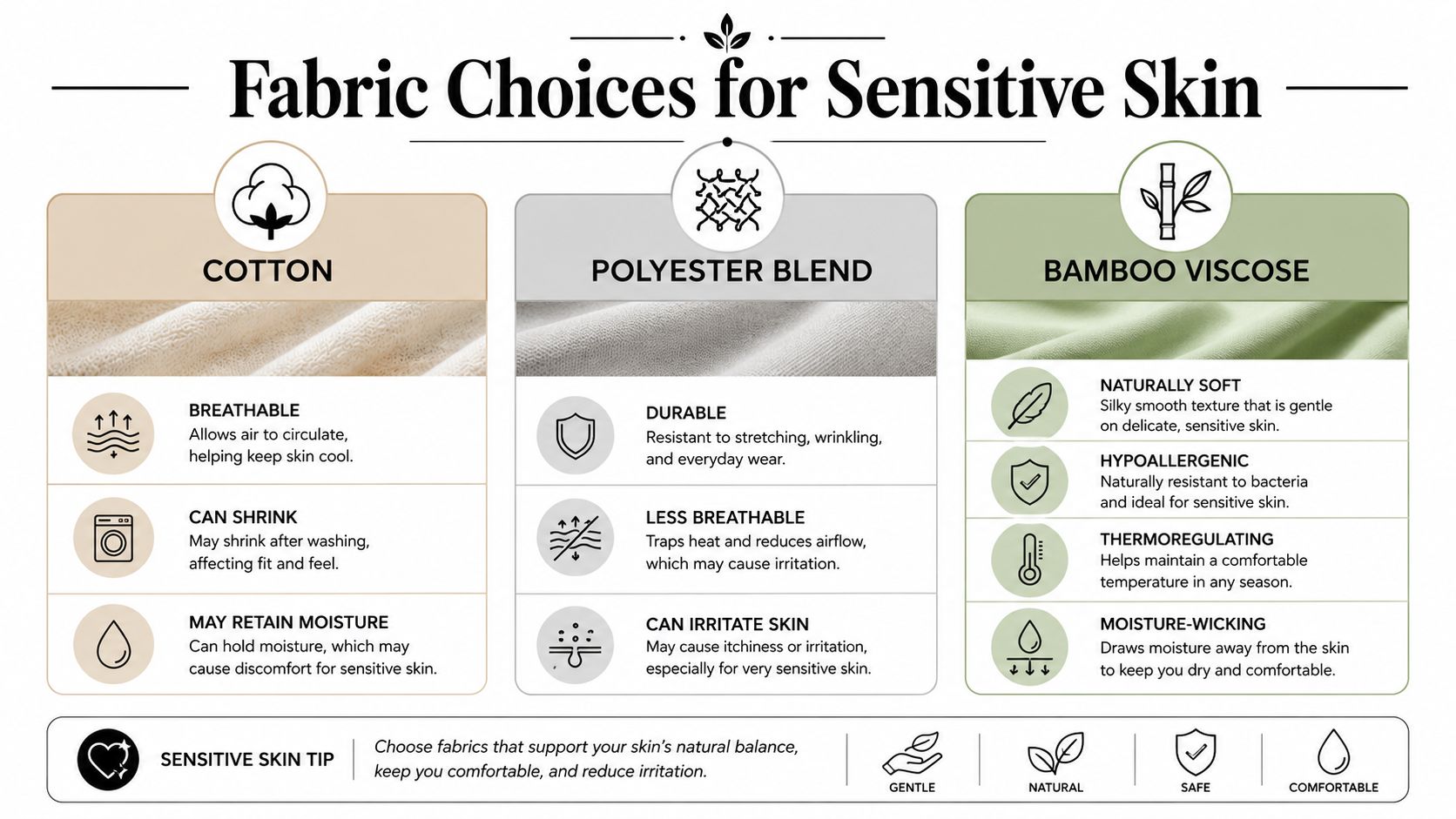
The fabric is the decision point. For toddler boy long sleeve shirts, the trade-off is simple, breathability versus shape retention. Cotton usually wins on softness, blends usually win on durability, and performance knits win when the shirt has to do more than just feel nice.
Cotton feels right, but it has limits
Retail specs show common toddler long sleeve constructions like 100% combed ringspun cotton fine jersey at 4.5 oz and 60% cotton/40% polyester interlock or waffle knits Target toddler long-sleeve fabric examples. That matters because the market is clearly favoring medium-weight knits that are soft without being flimsy.
Plain cotton jersey is the softest-feeling choice for many kids. It's a strong pick for everyday wear, especially if your child has sensory sensitivities and reacts badly to anything stiff or plasticky. The downside is simple, cotton can shrink and lose shape more easily than a blend if you wash and dry it carelessly.
Blends hold up better through repeat washing
A 60/40 cotton-polyester blend adds stability. It usually resists wrinkling and keeps its shape better after repeated laundering, which is a real advantage when a shirt gets worn and washed constantly. The trade-off is that polyester adds a less breathable feel, so it's not my first pick for a child who runs warm or gets irritated by cling.
That's why I'd choose cotton-rich fabric for sensory comfort and a blend for durability in daycare or heavy rotation. If you want a deeper fabric comparison for comfort-first wardrobes, Little Venture Co. has a focused best fabric for sensitive skin guide that fits this exact question well.
Performance fabric changes the job of the shirt
For active outdoor wear, the shirt starts functioning like gear. A recycled polyester/spandex jersey with a wicking finish can dry quickly and offer 40+ UPF protection REI toddler performance shirt. That's a different use case from a soft cotton everyday layer.
Use the shirt's job to choose the fiber. Cotton-rich fabric is better for soft, close-to-skin comfort. Polyester-based construction is better when you need drying speed and sun protection. Bamboo viscose sits in the comfort-first lane too, especially for families who care about sensory softness and gentle drape.
Layering Strategies for Every Season
A long sleeve shirt isn't just for cold weather. It's the thing that makes a wardrobe flexible, because one shirt can work under a jacket on a windy morning, over a tee on a cool afternoon, or by itself when the temperature sits in that awkward middle zone. The shirt should make layering easier, not bulkier.
For church and family gatherings
A medium-weight long sleeve in a soft neutral works best when you want a tidy look without fuss. Pair it with knit pants or chinos, and keep the fit close enough that the hem doesn't bunch under a sweater. A shirt that drapes well looks polished without feeling dressy.
Cotton or bamboo viscose makes sense here. Both tend to feel softer against the skin than a stiff synthetic layer, and that matters when you're expecting your toddler to sit still for part of the morning.
For outdoor play and active days
If your child is climbing, running, or riding in and out of the car, choose a shirt that moves with him and doesn't trap heat. A lighter knit under a hoodie is better than forcing a thick top to do everything at once. Bulk around the arms and shoulders turns into restriction fast.
For families who want one reference point for all-season softness in a different category, Little Venture Co.’s what makes bamboo pajamas perfect for all seasons piece matches the same logic, soft fabric works harder when it stays breathable.
For everyday wear at home
If the shirt is mostly for play, sniff-test it with real life. Does it stay comfortable after movement? Does it feel clammy after ten minutes? Does it still look decent after a snack, a nap, and a toy-box excavation?
The best layered outfit is the one your toddler forgets he's wearing.
For transitional weather, I'd keep one long sleeve shirt alone, one under a light layer, and one ready to go for dirtier days. That's a practical rotation, not overthinking.
Choosing Faith-Inspired Designs With Purpose
Some clothes are just clothes. For Christian families, that's not always enough. A toddler shirt can carry a gentle sense of meaning without turning into a loud graphic or a gimmick.
Faith-inspired design works best when it's subtle. Creation-themed prints, soft color palettes, and small scriptural references feel wearable in church, at home, and on ordinary errands. They invite conversation without forcing one.
Meaning should be visible, not noisy
A good faith-inspired shirt doesn't need to shout. It should feel like it belongs in a real child's life, where oatmeal spills and nap time happen right next to Sunday service. That's the sweet spot, thoughtful design that points back to family values without making the shirt feel costume-like.
If you're buying for a household that wants clothes to reflect what they believe, this matters more than trend. The shirt becomes one more place where intention shows up in the details. Little Venture Co.’s baby bundle sets fit that idea because they treat everyday clothing as part of a bigger, coordinated wardrobe.
Faith-inspired clothing should feel calm, usable, and rooted in real life.
Buy for alignment, not novelty
I'd rather see one well-made shirt with a restrained design than a drawer full of loud seasonal pieces. The point is to build a wardrobe that can move from nursery to church to playground without feeling disconnected from your values.
That's especially true when you're shopping for gifts or building a small capsule closet. Purposeful design makes the purchase feel lasting, not decorative. It also gives children familiar visual cues around the things their family cares about, which is powerful.
Washing and Care Routines That Preserve Softness
A soft shirt only stays soft if you treat it like one. Harsh detergent, high heat, and careless drying can wreck even a good fabric fast. That's especially true for bamboo viscose and cotton blends, which need a gentler routine than most parents think.
Wash for comfort first
Use a gentle detergent and skip heavy fragrance if your child has sensitive skin. Wash long sleeves inside out when there's a print, and keep the cycle gentle so the fabric doesn't grind against itself. That simple habit helps the shirt hold its hand feel longer.
Drying matters even more. Low heat is safer than blasting the shirt on high, and air drying is best when you want to protect shape. If you want a broader reference for how decorated shirts hold up in the wash, Cobra DTF's preserving DTF prints guide is useful because the care logic lines up with printed toddler basics too.
Know when a shirt is done
Some shirts are worth repairing. Others aren't. If the neckline stretches out, the cuffs stay misshapen, or the fabric starts feeling rough even after a good wash, it's time to retire it.
Stains are normal, but fabric breakdown isn't something to ignore. A shirt that still looks fine but feels irritating on the skin is no longer doing its real job. For sensitive-skin families, comfort outranks sentimentality.
If a shirt stops feeling soft, it's usually already past its best wear.
The goal isn't perfection. It's keeping the handful of shirts your child loves in the best possible shape for as long as they can realistically last.
Gifting Ideas for Baby Showers and Church Occasions
A thoughtful toddler shirt gift beats another random toy every time. It's useful, easy to size well enough, and can carry meaning when you choose fabric and design with care. For baby showers, church gifts, and small family celebrations, a long sleeve shirt is one of those smart presents people use.
Choose the gift around the season and the child's stage
If you don't know the exact size, pick one step ahead of the child's current stage. That gives the family room to grow into it instead of outgrowing it immediately. A soft long sleeve shirt works especially well when the gift is meant to bridge seasons.
For a more complete gift idea list, best gifts for toddlers is a helpful companion read, but I'd keep your own choice focused on practicality. Clothing wins when it's soft, wearable, and not fussy.
Pair one shirt with one useful layer
A single special shirt feels more intentional when it's paired with something the parents will use, like leggings, a blanket, or a matching accessory. That creates a complete outfit without overloading the gift with unnecessary pieces. If the shirt has a faith-inspired print, the pairing should stay calm and coordinated.
For church friends or grandparents, that balance matters. You want the gift to feel personal, but not so precious that the family saves it forever. The best gifts get worn.
A good toddler gift should earn its place in the laundry basket.
I'd choose one well-made shirt over a bundle of generic items every time, especially when the shirt reflects the child's family values and skin needs. That's the kind of present parents remember for the right reasons.
How Little Venture Co. Brings These Principles Together
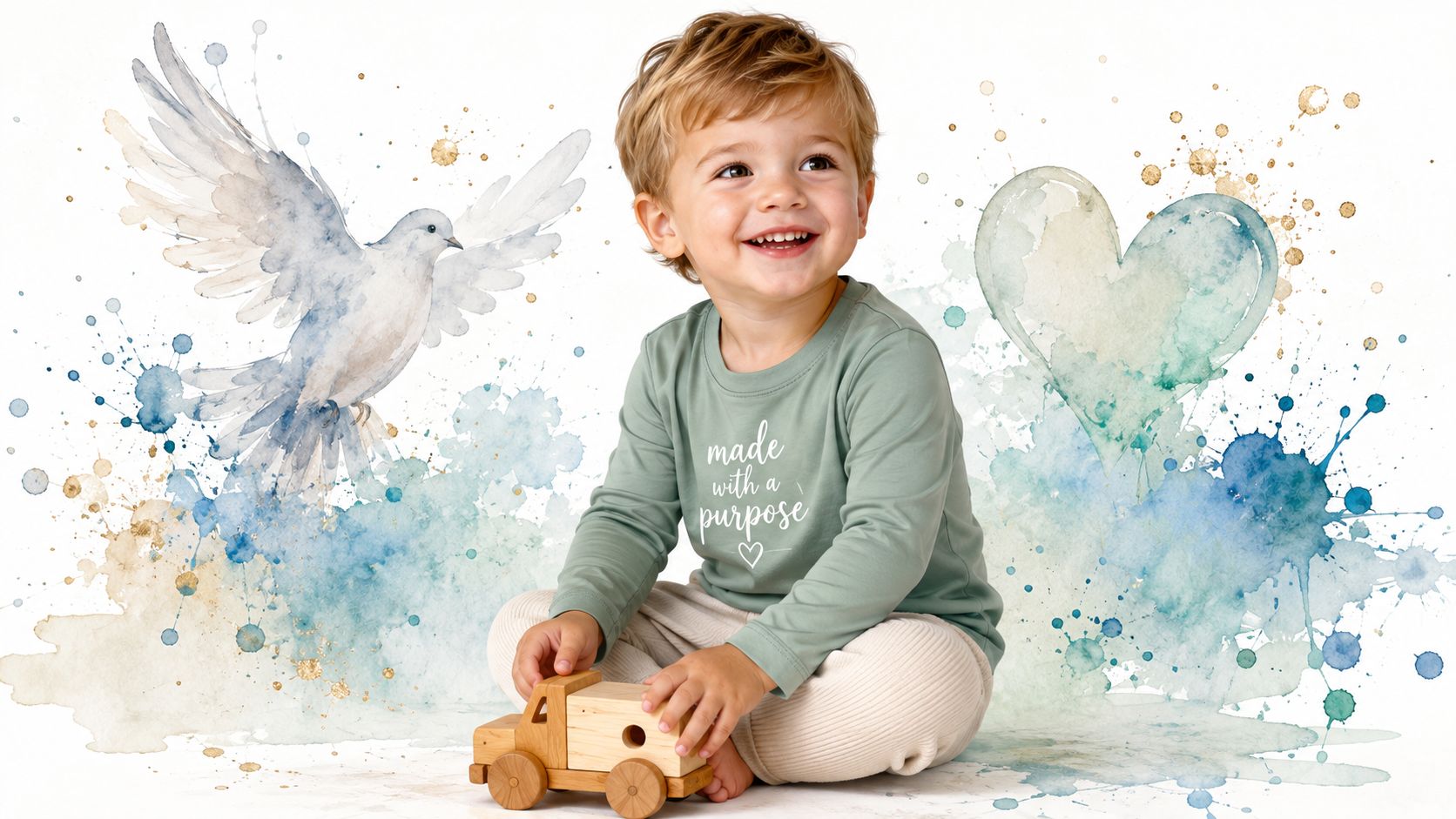
Little Venture Co. built its clothing around the exact problems parents keep running into. The brand focuses on faith-inspired bamboo viscose pieces for babies and toddlers, with materials that are OEKO-TEX Standard 100 certified and designed for sensitive skin. That combination matters because it brings comfort, safety, and meaning into the same drawer.
The point is consistency
A brand like this works because it doesn't separate mission from function. The clothes are meant to feel soft, wash well, and look appropriate for daily wear, not just for staged photos. That's the standard parents need.
Little Venture Co. also ties purchases to a broader purpose by supporting Heartbeat International. For families who care about faith and practical generosity, that adds another layer to the decision. You're not just buying a shirt, you're choosing a company whose business model reflects a value system.
Why this matters for toddler wardrobes
Toddler clothes should solve problems. They should be soft enough for sensitive skin, structured enough to hold their shape, and simple enough to wear on repeat. That's what makes a shirt worth keeping in the rotation.
When a brand does those things while staying rooted in a clear mission, it stands out from the usual pile of fast, forgettable basics. That's the difference between buying more clothes and building a wardrobe with intention.
If you want toddler boy long sleeve shirts that feel gentle on sensitive skin and still fit a faith-filled, everyday wardrobe, take a look at Little Venture Co.. Their bamboo pieces, thoughtful designs, and mission-driven approach make it easier to choose clothes you'll be glad to wash, wear, and hand down.