

Find the Softest Kids Pajamas: A 2026 Buying Guide
You're probably here because bedtime has become its own little decision tree.
Your child finally settles down, you smooth the blanket, and then one thought pops up again. Are these pajamas the right kind? Not just cute. Not just popular. Soft enough for tender skin, comfortable through the night, and safe enough to bring peace of mind.
That's a loving question. It's also a confusing one, because the phrase softest kids pajamas gets used for almost everything. Cotton is called soft. Bamboo is called buttery. Modal is called silky. Then labels add words like breathable, snug-fit, gentle, certified, stretchy, and suddenly a simple shopping choice feels more complicated than it should.
A lot of Christian parents feel that tension because bedtime isn't just routine. It's care. It's stewardship. It's one more quiet way to love a child well.
The Heartfelt Search for Cozy Nights
There's a familiar moment many parents know well. The house is finally quiet, you peek in on your little one, and you notice the small things you missed earlier. A twisted pant leg. A neckline that looks a bit snug. Fabric bunched under a sleepy cheek. In that moment, “soft” stops being a marketing word and starts feeling personal.
Maybe your baby has reactive skin and gets red patches easily. Maybe your toddler kicks blankets off and wakes up clammy. Maybe you're shopping for a baby shower gift and want something that feels thoughtful, useful, and full of care. Those are all different situations, but they point to the same hope. You want pajamas that help a child rest comfortably.
That's also why the search can feel noisy. Stores use the same few words again and again, but parents are usually asking better questions than brands answer. They want to know what softness really means. They want to know whether the fabric will still feel nice after washing, whether it breathes well, and whether it's a wise purchase rather than an impulse buy dressed up in pretty packaging.
Soft pajamas matter because children don't experience fabric as a trend. They experience it on their skin, all night long.
Bedtime comfort also reaches beyond the pajamas themselves. If you're trying to build calmer evenings as a whole, this thoughtful piece on better bedtime adventures for children offers a fresh way to think about what children bring into the night with them, both physically and emotionally.
The good news is that you don't need a textile degree to choose well. Once you know what creates softness, what supports safety, and which trade-offs matter most, the whole process becomes simpler. You can shop with both discernment and a soft heart.
The Science Behind Super Soft Pajamas
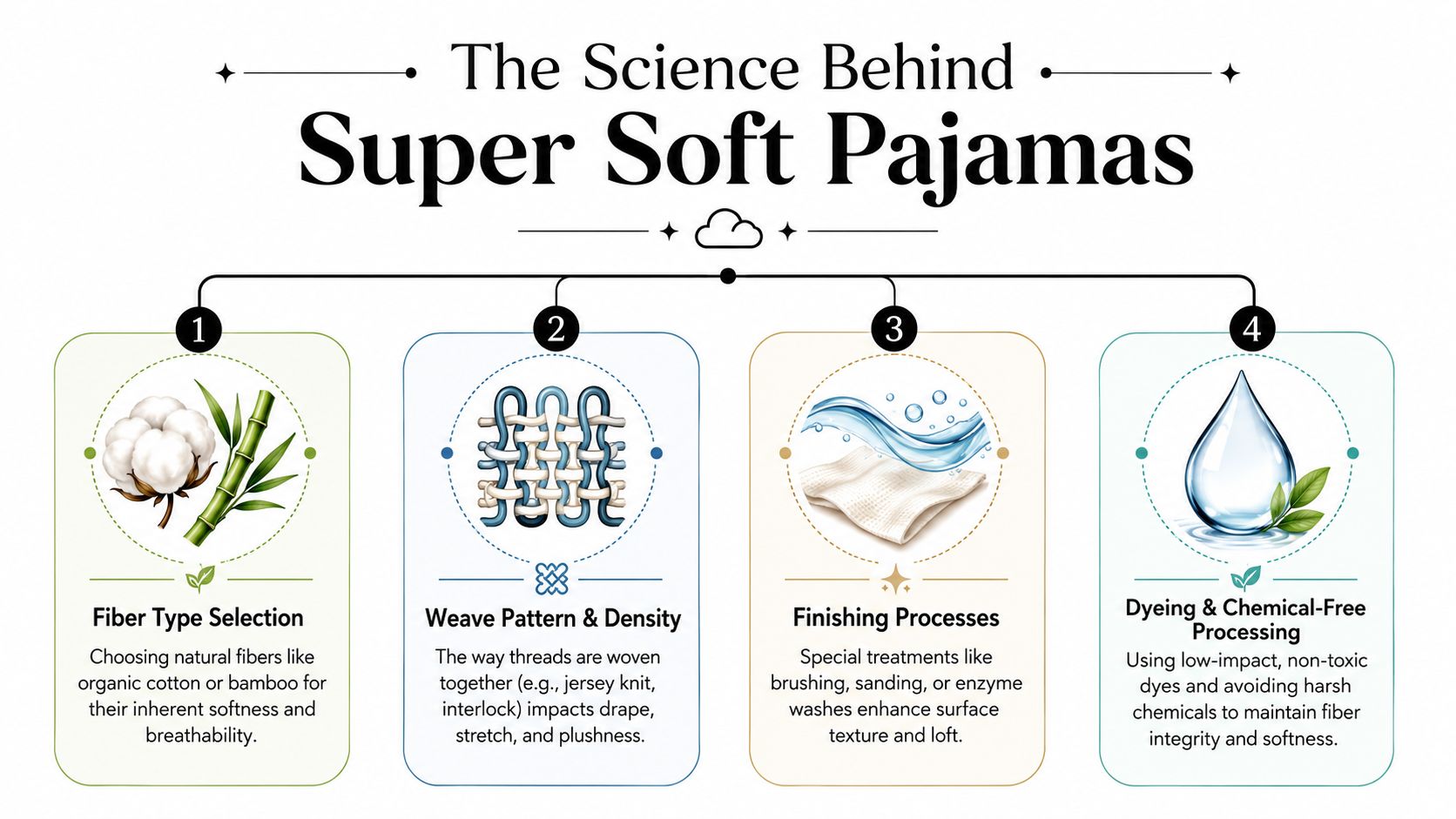
Softness sounds subjective, but a lot of it comes from real, understandable fabric traits. When parents say a pair of pajamas feels silky, cozy, smooth, or irritating, they're usually reacting to a few specific things happening in the material.
Fiber type matters first
The biggest factor is the fiber itself. Bamboo viscose, modal, and Pima cotton are consistently identified as top-tier softness fabrics because their fibers are finer and their yarn surfaces are smoother, which reduces friction against the skin and creates a more silky hand feel than conventional cotton knits, as explained in Eberjey's overview of the softest pajama fabrics.
A simple way to picture this is to think about hair. Fine, smooth hair feels different from coarse, rough hair when you run your hand across it. Fabric behaves in a similar way. Smoother fibers glide more easily across skin. Rougher fibers create more drag.
If you've seen bamboo listed and wondered what it means in sleepwear, this helpful explanation of what bamboo viscose is clears up a lot of the label language parents run into online.
Knit structure changes the feel
Two fabrics can use similar fibers and still feel very different. That's because construction matters too.
A knit fabric is more like a soft sweater. It has give, movement, and stretch. A woven fabric is more like a dress shirt. It can feel crisp and structured. Most children's pajamas that are marketed as very soft lean toward knit constructions because they move with the child instead of resisting them.
Here's where many parents get confused. Stretch doesn't always mean synthetic and stiff. A soft knit can still feel gentle and flexible, especially when a naturally soft fiber is blended with a little stretch fiber for recovery.
Density changes comfort
Fabric weight also affects how softness is experienced. A lighter fabric can feel airy and cool. A denser fabric can feel plush and cocooning. Neither is automatically better.
A hot sleeper may love a lighter, smoother pajama that doesn't trap warmth. A child who runs cool may prefer a fabric that feels a bit more substantial. This is why the “softest” choice isn't the same for every family or every season.
Practical rule: Don't judge softness by one fingertip touch in the store. Think about how the fabric will feel after hours of sleep, movement, and warmth.
Small finishing details make a big difference
Parents often focus on fabric labels and miss the tiny details that children notice immediately. Seams, tags, waistband pressure, and fabric finishing can all affect whether pajamas feel soothing or distracting.
Look closely at things like:
- Seam placement: Flat or smooth seams are less likely to rub.
- Tag style: Printed tags often feel gentler than sewn-in tags.
- Surface finish: Some fabrics are brushed or specially finished to feel softer at first touch.
- Stretch recovery: Pajamas should move with your child, then return to shape instead of sagging.
Those details matter most when a child has sensitive skin or strong sensory preferences. Parents sometimes blame the fabric, when the problem is a scratchy seam or an awkward cuff.
Softness, then, isn't one magic ingredient. It's the result of fiber choice, knit structure, fabric weight, and careful construction all working together.
Your Guide to the Best Pajama Materials
A pajama label can feel a little like reading the ingredient list on a new snack. The words are familiar enough, but it is not always clear what they will mean once your child wears the garment to bed. The goal is simpler than the label makes it seem. You are looking for a fabric that feels kind on your child's skin, works with their sleep habits, and holds up well enough to be cared for faithfully.
Softness matters, but it is only part of the decision. Breathability and moisture handling shape how pajamas feel after an hour of rolling, stretching, and warming up under blankets. Independent guidance on comfortable fabric options for kids' pajamas points parents toward cotton, bamboo, and modal for that reason.
How the main fabrics compare
Many families do well with more than one pajama fabric in the drawer. One child may sleep warm, another may want a cozier feel, and the same child may need something different in July than in January.
| Pajama Fabric Comparison | Softness Level | Best For | Care Notes |
|---|---|---|---|
| Bamboo viscose | Very soft and silky | Sensitive skin, stretchy fits, families who want a smooth hand feel | Gentle washing helps preserve the smooth finish |
| Modal | Very soft and drapey | Warm sleepers, children who tend to wake up damp | Best cared for with a lighter wash routine |
| Pima cotton | Soft and smooth | Families who want cotton with a more refined feel | Often simpler to maintain than very silky knits |
| Conventional cotton | Soft, familiar, depends on knit quality | Everyday use, parents who prefer a classic option | Usually easy to wash, but softness varies widely |
| Polyester blends | Usually less soft than the top-tier options | Families prioritizing durability and easy care | Practical for frequent laundering, though some children dislike the feel |
Bamboo viscose
Bamboo viscose is popular for a reason. It usually feels cool, smooth, and stretchy right away, which can be a relief for children who fuss over roughness or tightness. Parents often choose it when they want pajamas that feel gentle at bedtime and still have some give as a child grows.
That does not make it the automatic winner for every home. Very soft bamboo knits often ask for gentler care, and some parents would rather trade a little silkiness for a fabric that feels easier to wash and pass down. That is part of wise stewardship too. A lovely fabric is most useful when it fits real family life.
If you are weighing plant-based options side by side, this comparison of organic cotton vs bamboo explains the trade-offs in a clear, parent-friendly way.
Cotton, modal, and other strong options
Pima cotton is a comforting middle ground. It keeps the familiar feel many parents already trust in cotton, but it is often smoother and finer than basic cotton sleepwear. For families who want softness without too much fuss, it can be a steady, reassuring choice.
Modal is often appreciated by parents of warm sleepers. It has a soft, fluid feel and tends to handle moisture well, which can matter more at 2 a.m. than a fabric's first impression in the store. Conventional cotton still has a place too. A well-made cotton knit can be breathable, dependable, and easy to care for, which is no small gift in a busy season of parenting.
If you are also choosing blankets or layering pieces, this guide to soft and warm material choices gives helpful context for how cozy fabrics behave beyond pajamas.
A good fabric serves your child unobtrusively. Once they are asleep, they should not have to notice it at all.
Ensuring Pajamas Are Gentle and Safe
Parents often use the word “soft” when they really mean something bigger. They mean gentle. They mean low irritation. They mean, “I want this to feel kind against my child's skin.”
That instinct is wise. In children's sleepwear, the safest choice isn't just the fabric that feels nicest in your hand. It's the one that combines comfort with careful testing and a child-appropriate fit.
Why certifications matter
Many premium pajama lines now use 95% bamboo viscose and pursue OEKO-TEX® Standard 100 certification while designing garments to be snug-fitting in line with CPSC sleepwear rules, as explained in Little Sleepies' article on why snug-fitting pajamas are used.
For a parent, the key takeaway is simple. Modern softness is no longer just about touch. It's tied to safety standards and lower-irritation materials too.
If you've seen that certification on a product page and weren't sure what it tells you, this parent-friendly guide to OEKO-TEX Standard 100 makes the label easier to understand.
Why snug fit shows up so often
Many people are mistaken on this point. They assume snug pajamas are only a style choice. They aren't.
The U.S. CPSC distinguishes between snug-fitting sleepwear and loose-fitting sleepwear. Snug-fitting pajamas don't need flame-retardant treatment because there is less air between the fabric and the child's skin. That's one reason many parents look for fitted pajamas made from soft, breathable materials rather than looser pieces that raise different safety considerations.
That doesn't mean every snug pajama feels good. A poor cut can still pinch, twist, or ride up. But it does explain why so many well-made children's pajamas are fitted by design.
A safe pajama should feel close to the body without feeling restrictive.
A quick visual can also help if you're comparing what to look for in nighttime clothing and fabric handling:
What to look for on the label
Parents don't need to decode everything. Just focus on a few meaningful clues:
- Snug-fitting language: This often signals compliance through fit rather than chemical treatment.
- Fiber content: Blends such as bamboo viscose with a small amount of stretch fiber are common in soft premium lines.
- Certification mention: OEKO-TEX Standard 100 is one label many families look for when skin sensitivity is a concern.
- Simple construction: Smooth seams and gentle waistbands often matter as much as the fiber itself.
For Christian parents, this kind of checking can feel like a small act of stewardship. You're paying attention to what stays on your child's skin for hours at a time. That isn't overthinking. It's care.
Choosing Pajamas for Every Season and Stage
The softest kids pajamas for one child can be the wrong choice for another. That's especially true when you factor in temperature, age, and how often the pajamas get washed.
Some parents love bamboo for every month of the year. Others try it and realize their child sleeps hot, or that they prefer a fabric with a different feel after repeated laundering. Good Housekeeping highlighted this split in parent feedback on bamboo. Some parents described it as “clingy, sweaty” and said it “stretches out and pills,” while others appreciated that it stayed warm and fit for longer in its roundup of kids' pajamas and fabric trade-offs.
That kind of mixed response is helpful, because it reminds us to choose for the child, not the trend.
Match the fabric to the sleeper
A child who wakes up damp may do better in a breathable, lightweight fabric that manages warmth well. A child who tends to run cool may enjoy a smoother fabric with a slightly cozier feel. The same pajama can feel wonderful in one room, one season, and one body, then not work nearly as well in another.
A good mental checklist is:
- Hot sleeper: Lean toward fabrics known for breathability and moisture handling.
- Cool sleeper: Choose something soft that layers easily without bunching.
- Frequent washer: Expect ultra-soft fabrics to need gentler care if you want to preserve the finish.
- Texture-sensitive child: Prioritize seam feel, tag style, and stretch, not just fiber name.
Choose for the child's stage too
Age changes what “best” means.
For babies, dressing speed matters a lot at night. Footed or zip styles can simplify diaper changes. Two-way zipper designs are especially convenient because they reduce the amount of undressing needed during late-night changes. For toddlers who are potty training, two-piece sets often feel more practical because they support independence.
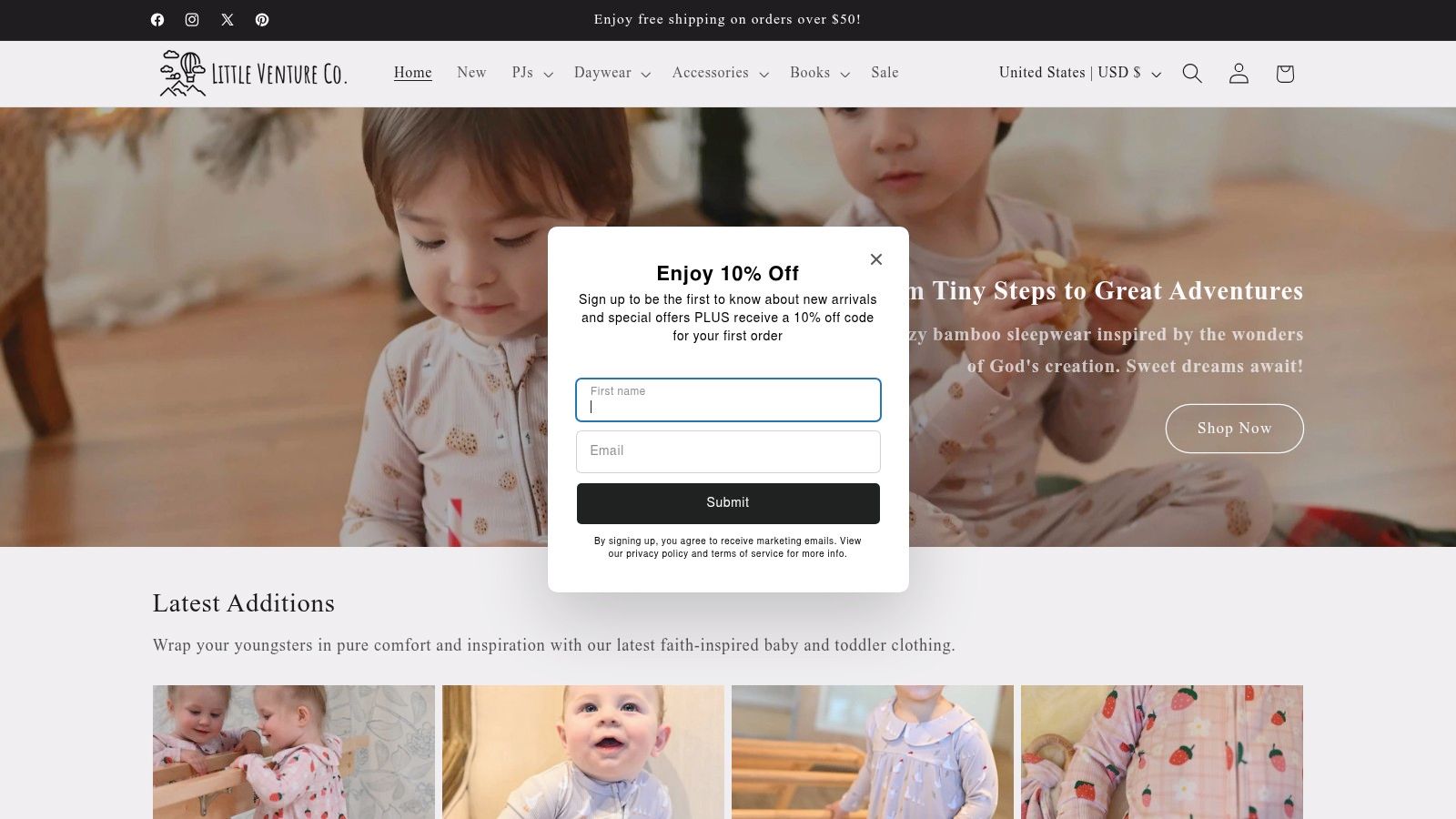
One option in this space is Little Venture Co., which offers faith-inspired bamboo sleepwear for babies and toddlers in formats like zip rompers and two-piece sets. That kind of product design is worth noting when you're thinking about stage-specific convenience rather than softness alone.
Be realistic about wear over time
Parents sometimes feel disappointed when a very silky pajama pills or changes texture. That doesn't always mean they bought badly. It can be the trade-off that comes with softer surfaces and frequent laundering.
Don't ask one pajama set to do every job. Ask it to do the right job for your child's sleep habits.
That shift in mindset helps a lot. Summer pajamas may not be your winter favorite. A baby's perfect zip romper may not be a toddler's best match. The right choice is the one that supports actual life in your home.
Care Tips and Giving a Meaningful Gift
The bedtime routine is finally winding down. Your child is clean, sleepy, and tucked close, and you reach for the pajama set that always feels gentle against their skin. A few laundry habits can help that favorite pair stay comfortable longer.
Softness has a lot in common with a well-loved blanket. It can last beautifully, but rough treatment wears it down faster. Caring for pajamas well does not require a fussy system. It means reducing friction, heat, and harsh products so the fibers can keep doing their job.
A good care routine usually looks like this:
- Wash in cold water: Cooler water is easier on delicate fibers and stretchy knits.
- Turn pajamas inside out: This helps protect the outer surface from rubbing during the wash cycle.
- Choose a mild detergent: Strong formulas can leave fabrics feeling stiff or worn.
- Keep rough items separate: Zippers, hooks, towels, and denim can scrape softer pajamas.
- Check the care label: Different fabrics need slightly different treatment.
If your child wears bamboo sleepwear, this practical guide on how to wash bamboo clothing walks through the process in a clear, parent-friendly way.
Softness as stewardship
For Christian families, laundry can feel like one of those hidden forms of care that rarely gets noticed and still matters greatly. Taking care of pajamas is not only about keeping them pretty. It is about using good things wisely, helping them last, and making the most of what God has provided.
That perspective is especially helpful with softer, premium sleepwear. Fabrics that feel silky and stretchy often need gentler handling to keep that finish. If they pill a little over time, that does not always mean the garment was poor quality. Often, it means the soft surface has been working hard through sleep, play, washing, and wear.
Why pajamas make a meaningful gift
A pajama gift meets a real need. That is part of what makes it memorable.
Parents of young children receive plenty of cute items. The gifts they often remember most are the ones that bring comfort at 2 a.m., help a child settle more peacefully, or protect sensitive skin during a rough patch. Soft pajamas can do that. They are practical, tender, and easy to use right away.
If you want the gift to feel thoughtful, look for a few simple signs:
- Choose skin-gentle fabrics: This shows care for the child's daily comfort, not only the look of the gift.
- Match the season: Breathable pajamas suit warmer months, while cozier options fit cooler nights.
- Consider the child's stage: Zip styles help with infants, while two-piece sets often suit toddlers better.
- Notice the brand's values: Some families appreciate companies that reflect faith, family care, or giving.
That is why pajamas can carry meaning beyond the box. They say, "I wanted to give something useful." They also say, "I cared about your child's rest."
If you're looking for faith-inspired children's sleepwear made with bamboo viscose and designed with sensitive skin, safety testing, and meaningful gifting in mind, take a look at Little Venture Co.. Their collection focuses on baby and toddler sleepwear that pairs softness with purpose.