

A Parent's Guide to Choosing the Best Infant Pajamas
Welcome to the world of baby pajamas! If you're a new parent or shopping for one, you know that picking out the right PJs is about way more than just finding a cute pattern. It's about safety, comfort, and peace of mind.
This guide is here to help you cut through the noise. We'll get into what really matters, from understanding safety labels to figuring out why some fabrics are a dream for sensitive baby skin.
Helping Your Baby Sleep Soundly and Safely
Choosing those first few pairs of pajamas is a modern parenting rite of passage, isn't it? You’re blending your love for adorable designs with the very real job of keeping your little one safe and comfortable all night long. You're not just buying an outfit; you're creating a cozy, secure little world for them to rest, dream, and grow.
Think of this guide as your friendly companion for making that choice confidently. We'll walk through all the key things that add up to a good night's sleep, so you can feel empowered, not overwhelmed, by all the options out there.
What We Will Cover in This Guide
- Decoding Safety Standards: We’ll break down what labels like Oeko-Tex® actually mean and talk about the critical difference between flame-retardant chemicals and why a simple snug fit is so important.
- Choosing the Best Fabric: You'll learn why materials like bamboo viscose get so much love for being incredibly soft, breathable, and a lifesaver for babies with sensitive skin.
- Finding the Perfect Fit: We'll cover how to pick the right size and style, including game-changing features (ask any parent!) like two-way zippers that make those middle-of-the-night diaper changes so much easier.
- Making Your Purchase Count: Discover how your choice can reflect what you care about by supporting brands that are built on a mission of giving back.
The growing focus on quality and safety isn't just a feeling; it's a huge trend. The baby sleepwear market was valued at around USD 10.5 billion in 2023 and is expected to hit USD 16.4 billion by 2032. This boom shows just how much parents today are prioritizing premium, safe sleepwear.
A great pair of pajamas does more than just keep a baby warm. It can lead to better sleep, protect delicate skin, and give parents that priceless peace of mind.
Of course, dressing your baby right is just one piece of the puzzle. Staying informed about key childhood development milestones helps you create the best environment for your little one to thrive. For more specific tips on layering for bedtime, don't miss our guide on https://littleventureco.com/blogs/blog/how-to-dress-baby-for-sleep.
Making Sense of Safety Standards for Infant Pajamas
Let's be honest, figuring out the safety rules for baby sleepwear can feel a bit overwhelming. But it’s hands-down the most important part of picking out the right infant pajamas. We're not just wrapping them in something cozy; we're wrapping them in safety.
The biggest topic here is fire safety. When you're shopping, you’ll notice two different ways brands handle this. Some use flame-retardant chemicals on the fabric, while others go with a much simpler, more natural solution: a snug fit. This is especially true for natural fabrics like bamboo and cotton. It’s a beautifully simple idea—less loose fabric means less risk, which means no need for extra chemicals.
Why a Snug Fit Is a Big Deal
So, what's the magic behind a snug fit? It’s actually a safety requirement for sleepwear made for babies older than nine months. This regulation gives parents a really clear choice: you can either buy looser PJs that have been treated with chemicals or go for snug-fitting ones made from pure, untreated fabrics. For most of us, that's an easy decision. A snug fit just gives you that extra peace of mind, knowing your baby isn’t sleeping in anything unnecessary.
Think of it like this: a snug-fitting pajama is designed to be inherently safe. It's a thoughtful choice that puts your baby's well-being first, letting the natural softness and breathability of the fabric do its job without any chemical interference.
And these rules have made a huge difference. Since the U.S. Children's Sleepwear Standard was first introduced back in 1971, it has helped slash the number of burn injuries in children by an incredible 85%. Today, strong standards around the world continue to keep our little ones safe, so we can all feel more confident about what we buy.
To make it even easier, here's a quick decision guide to help you think through things like the season, fabric, and fit.
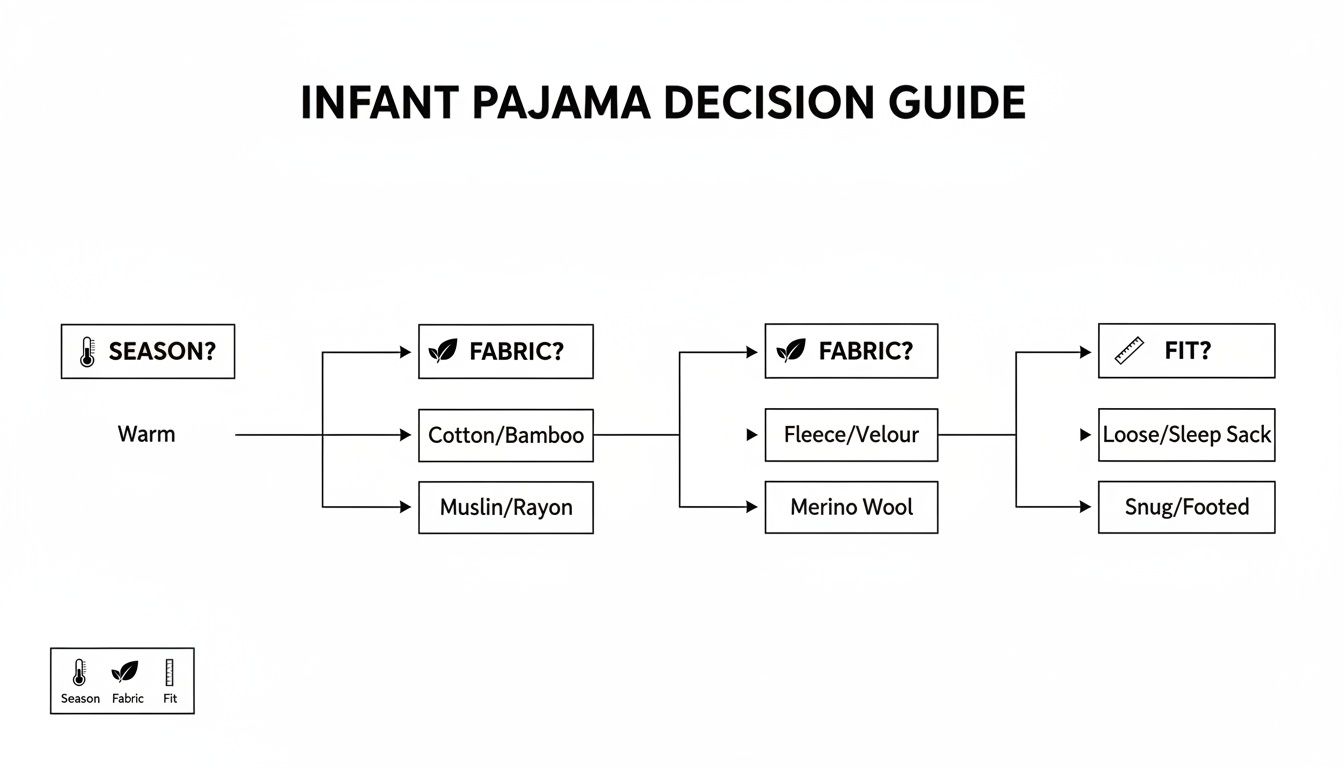
This little flowchart really simplifies it. Once you know the right fabric for the weather, getting that safe, snug fit is your final, crucial step.
Looking for Labels: What Certifications Tell You
Besides the fit, you'll want to look for certifications on the tag. These are like your cheat sheet for what’s not in the fabric. One of the best ones to look for is the Oeko-Tex® Standard 100.
Seeing that Oeko-Tex® label is basically a promise that every single part of the pajamas—from the thread to the zipper—has been tested for hundreds of yucky substances. It’s your guarantee that the PJs are free from chemicals that could bother your baby’s super-sensitive skin. It’s an extra layer of reassurance that goes way beyond the basic rules, making sure the final product is as pure as it is soft.
If you want to get into the nitty-gritty, we have a whole post that explains what is Oeko-Tex Standard 100.
Choosing the Best Fabric for Your Baby's Skin
The fabric touching your baby’s skin all night long plays a huge role in how well they sleep. Get it right, and you've got a comfy, happy baby. Get it wrong, and you could be in for a long night. While you've got plenty of options, a few materials really stand out when it comes to infant pajamas.
Let's break down the most popular choices so you can find the perfect one for your little dreamer.
For generations, cotton has been the go-to for its familiar softness and breathability. It's a classic for a reason. On the other end of the spectrum is fleece, a super-warm synthetic material that's a top pick for those extra chilly winter nights.
But a third option has really become a game-changer for parents: bamboo.
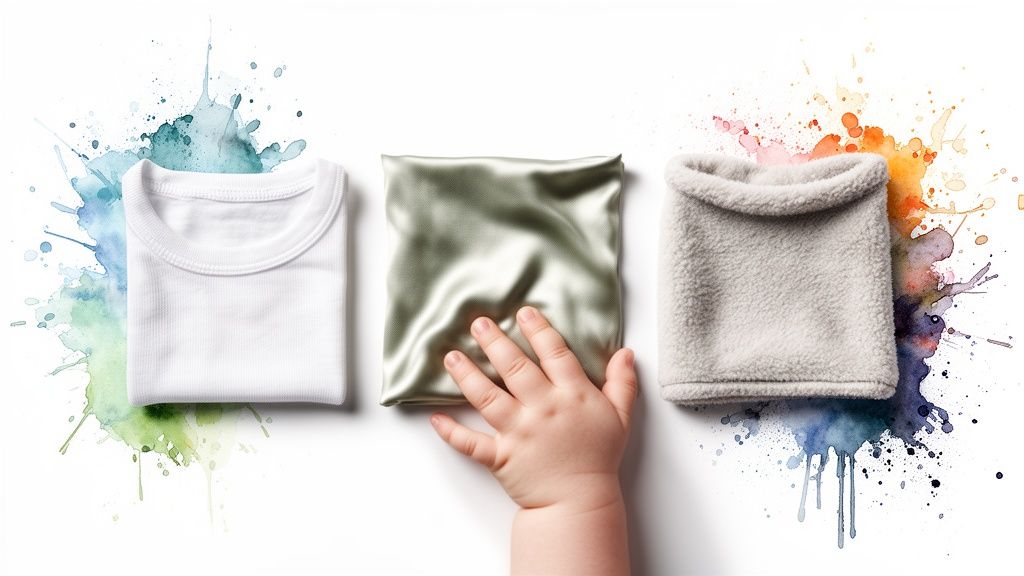
Why Parents Love Bamboo Pajamas
Bamboo viscose isn't just another fabric; it’s an experience. Parents often describe it as buttery-soft, with a uniquely smooth and gentle feel that’s just perfect for a baby’s delicate skin. This incredible softness comes from the long, smooth fibers of the bamboo plant, which create a fabric with way less friction than traditional cotton.
This is a huge deal for babies with sensitive skin or conditions like eczema. The gentle touch of bamboo can help soothe irritation and keep your little one comfortable all night. If you're diving deep into materials, you might find our guide on the best fabric for sensitive skin helpful.
But the benefits don't stop there. Bamboo has some other amazing tricks up its sleeve that make it ideal for sleepwear.
- Hypoallergenic: Bamboo is naturally resistant to pests, meaning it can be grown with fewer harsh chemicals. This leads to a cleaner fiber that’s far less likely to cause allergies or skin reactions.
- Moisture-Wicking: The fabric actively pulls moisture away from the skin, keeping your baby dry and comfortable even on sweaty nights.
A Smart Thermostat for Your Baby
Maybe the most impressive feature of bamboo is its incredible ability to thermoregulate. Think of it like a smart thermostat built right into your baby’s PJs. The tiny, microscopic gaps in the bamboo fiber trap cool air when it's hot and warm air when it's cold.
This means bamboo pajamas help keep your baby cool when the room is warm and perfectly cozy when it's a bit chilly. This adaptability is fantastic for navigating those in-between seasons and, most importantly, helps prevent overheating—a key factor in safe sleep.
To make things even clearer, here’s a quick comparison to help you choose the best material for your baby's needs, focusing on what really matters: softness, breathability, and care.
Comparing Common Infant Pajama Fabrics
| Fabric Type | Key Benefit | Best For | Care Considerations |
|---|---|---|---|
| Bamboo Viscose | Thermoregulating & Buttery-Soft | Sensitive skin, year-round comfort, and hot sleepers. | Wash cold, gentle cycle. Tumble dry low or hang dry to maintain softness. |
| Cotton | Breathable & Durable | Everyday wear, warmer climates, and parents who prefer classic materials. | Can shrink if washed and dried on high heat. Generally easy to care for. |
| Fleece (Synthetic) | Maximum Warmth | Cold winter nights, chilly houses, or babies who get cold easily. | Less breathable; can cause overheating. Avoid high heat in the dryer. |
Ultimately, the right fabric depends on your climate, your baby's skin, and your personal preference. Bamboo often comes out on top for its all-around performance and luxurious feel.
The move toward premium, natural materials is more than just a trend. Consumer data shows that bamboo and organic fabrics now make up 25% of sales in the infant pajamas market, a huge jump from just 10% in 2019. This shift is driven by the 65% of parents who are now actively looking for hypoallergenic options for their little ones.
For faith-based families, choosing an eco-friendly fabric like bamboo aligns perfectly with values of good stewardship. It's three times more breathable than cotton, which can reduce overheating risks by 35%, offering both peace of mind and incredible comfort.
Finding the Perfect Pajama Style and Fit
Alright, so you’ve picked out that dreamy, buttery-soft fabric. What’s next? Now comes the fun part: finding the right style and size for your baby’s infant pajamas. This is where comfort and convenience really have to work together, and trust me, getting it right makes life so much easier for both of you.
Think of all the different pajama styles as tools in your parenting toolbox. Each one is designed for a specific job, especially when you’re fumbling through a diaper change at 3 a.m.
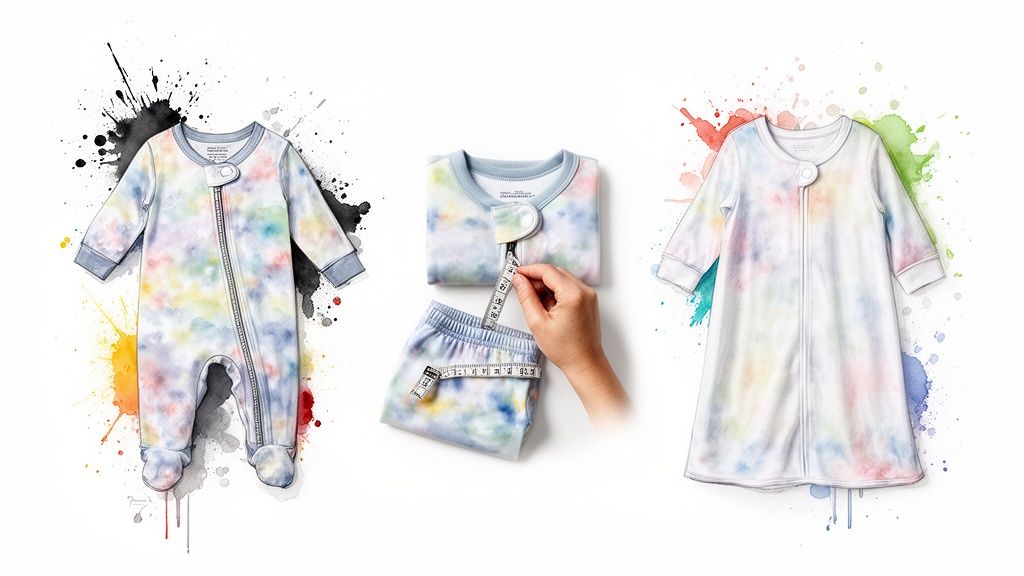
Common Pajama Styles
- One-Piece Zip-Ups: These are the undisputed champions of the baby pajama world. One simple zipper runs from neck to ankle, making dressing and undressing a piece of cake. The absolute gold standard here is the two-way zipper. It's a total game-changer, letting you zip up from the bottom for diaper changes without having to expose your baby's whole chest to the cold air.
- Two-Piece Sets: These are perfect for older babies and toddlers. They're great once potty training starts, or even just for little ones who like a bit more freedom. Plus, you can mix and match tops and bottoms, and they feel like a step up to "big kid" PJs.
- Sleep Gowns: For those very first weeks, sleep gowns are a lifesaver. They have an open, elastic bottom, which means you get the fastest, easiest access for all those newborn diaper changes. No snaps, no zippers, no fuss in the middle of the night.
Honestly, for most parents, the one-piece zip-up just can't be beaten. It’s the perfect blend of easy, cozy, and safe.
Getting the Sizing Just Right
Let’s be real, baby clothing sizes can feel like a guessing game. The age on the tag? It’s more of a suggestion than a hard-and-fast rule.
The real secret to getting a perfect fit is to go by your baby’s weight and height, not just their age. Every little one grows on their own schedule, and those measurements will give you a much more accurate fit every single time.
A good fit isn't just for comfort—it's a huge safety factor, as we talked about earlier. For pajamas made from natural fabrics like bamboo, a snug fit is key. It prevents any loose fabric from becoming a hazard, keeping your baby safe without any need for flame-retardant chemicals.
If you need a little more help, our baby clothing size chart is a great resource to help you pick the right size with confidence.
Thoughtful Features for Extra Comfort
Beyond just the style and size, it's the little details that take a pair of pajamas from good to great. These are the thoughtful extras that add a layer of coziness and make a parent's life just a little bit easier.
You'll often see one-piece PJs with convertible footies—cuffs that you can fold over your baby's feet to keep them toasty or fold back to let them go barefoot. This is brilliant for temperature changes and fast-growing babies.
Another amazing feature is fold-over hand cuffs. These are especially handy for newborns to stop them from accidentally scratching their sweet faces while they sleep. It’s these small, brilliant touches that show a brand is really thinking about your baby’s complete comfort.
Making Your Purchase Count for More
Let’s be honest, choosing the perfect pajamas for a baby is already a special experience. But what if that simple purchase could do even more? For many of us, it’s a chance to connect a daily necessity with our deepest values. It’s where conscious buying meets real compassion, turning the simple act of dressing our own little one into a gesture that helps another.
This is the beautiful idea behind brands that are built on more than just the bottom line. They weave a sense of purpose into every seam, creating faith-inspired designs that not only celebrate new life but also commit to a mission of giving back.
Pajamas with a Purpose
When you pick a brand with a strong charitable mission, your purchase creates a ripple effect of kindness. It’s no longer just a transaction; it's a tangible act of support for organizations dedicated to helping mothers and babies who need it most.
For example, some companies partner with incredible non-profits that provide resources, care, and hope to pregnant women and new mothers worldwide. Every sale helps fund services that empower women and protect the lives of their little ones. It’s a powerful feeling, knowing your choice is wrapping another family in support.
Choosing pajamas from a mission-driven brand is like sending a message of hope. It says you believe in supporting other families while you cherish your own, making your purchase a small but significant act of love.
This approach really speaks to families who want their choices to reflect their faith and values. It’s a way to celebrate the new life in your arms while extending that celebration to others in a truly practical, impactful way.
Adding a Personal, Heartfelt Touch
Beyond the brand’s mission, there are ways you can make a gift of infant pajamas even more special. Adding a personal touch can transform a beautiful garment into a cherished keepsake that parents will hold onto forever.
To make a baby's pajamas truly one-of-a-kind, consider adding their name or initials. You could even learn how to embroider a name by hand for a truly handmade finish.
This simple, loving detail elevates the pajamas from just clothing to a treasured memento. It's another way to pour love and intention into your gift, creating something that will be remembered long after the baby has outgrown it. You're combining a purchase that does good with a personal gesture that feels good—and that’s a beautiful thing.
How to Keep Those PJs Buttery-Soft
You’ve found the perfect pair of infant pajamas, especially those crazy-soft ones made from fabrics like bamboo. They're an investment in your little one's comfort, right? Keeping them that way is easier than you think. With a little TLC, you can preserve that brand-new, buttery feel wash after wash.
Proper care isn't just about cleaning; it's about protecting the fabric's signature softness and stopping those little fuzzballs (pilling) from ever showing up. The secret? Just be gentle.
The Gentle Wash Routine
To keep those delicate fibers happy and your baby’s PJs in top shape, follow these super simple steps.
- Prep First: Before they go anywhere near the water, zip up all zippers and fasten any snaps. It’s a tiny step that makes a huge difference in preventing snags and tears on other clothes in the load.
- Go Cold: Always wash your baby’s pajamas in cold water on a gentle or delicate cycle. Hot water is a bit too harsh and can cause those soft fibers to break down over time.
- Mild Soap Only: Stick to a gentle, pH-neutral detergent. You’ll want to skip the heavy-duty chemicals and fabric softeners—they can be tough on the fabric and, more importantly, can irritate your baby's skin.
Pro-Tip for Baby Messes: Spit-up happens! For those stubborn stains, just pre-treat the spot before washing. A little mix of water and white vinegar, or even a dab of gentle dish soap, works wonders. It's a natural way to fight stains without reaching for the harsh chemicals.
Drying: The Key to Lasting Softness
How you dry your infant pajamas is just as crucial as how you wash them. Remember this: high heat is the number one enemy of soft fabrics like bamboo.
To keep that luxurious, cloud-like feel, your best bet is to either tumble dry on the absolute lowest heat setting or, even better, hang them to air dry. It might take a bit longer, but air drying is the ultimate way to preserve the fabric's softness and integrity for the long haul.
Got Questions? We've Got Answers.
When it comes to baby PJs, a million little questions can pop into your head. Don't worry, that's completely normal! We've been there. To help you feel totally at ease, we've rounded up some of the most common questions we hear from parents just like you.
How Many Pairs of Pajamas Does a Newborn Actually Need?
You'll hear different numbers, but a great starting point is 5-7 pairs of pajamas for a newborn. Trust us, between spit-up, diaper blowouts, and everything in between, you'll be surprised how quickly you can go through them.
Having a solid rotation on hand means you won't be chained to your washing machine. It’s also smart to have a mix of different fabrics to be ready for warmer nights or cooler, drafty rooms.
Are Bamboo Pajamas Really Good for Babies with Eczema?
Yes, they're a game-changer for so many families. Bamboo viscose is a top recommendation for little ones with eczema or just generally sensitive skin, and for good reason. It's naturally hypoallergenic and incredibly breathable.
Even better, it wicks moisture away from the skin, which helps prevent the irritation that can trigger a flare-up. The fabric's signature buttery-soft feel also means less friction on that delicate, already-sore skin.
Quick tip: If you're choosing bamboo for sensitive skin, look for that Oeko-Tex® certification. It's your guarantee that the fabric is totally free from nasty chemicals and safe enough for your baby to live in.
What in the World Is a TOG Rating?
You'll see "TOG" mentioned a lot with baby sleep gear. It stands for Thermal Overall Grade, which is just a fancy way of measuring how warm a piece of fabric is. Think of it like the insulation rating for your baby's clothes.
While it’s officially used for sleep sacks and blankets, it’s a helpful concept for pajamas too. Lightweight fabrics like bamboo have a low TOG (usually under 1.0), making them perfect for typical room temperatures around 68-72°F. They're also ideal for layering under a warmer sleep sack on chilly nights without causing your baby to overheat.
Why Is a "Snug Fit" Such a Big Deal?
This one is all about safety. A snug fit isn't just a style—it's one of the most important safety features of your baby's pajamas. Loose, baggy clothing can be a serious fire hazard.
Because of this, U.S. safety regulations require that any sleepwear for babies over nine months old must either be "snug-fitting" or treated with flame-retardant chemicals. Most parents would much rather avoid the chemicals, making a cozy, snug fit the safest and most natural choice for peace of mind.
Ready to find pajamas that feel as good as they look? Dive into the beautiful, faith-inspired bamboo sleepwear from Little Venture Co. and discover a new level of comfort for your little one. Find the perfect pair to start your collection at https://littleventureco.com.