

The Ultimate Guide to Bamboo Baby Clothes
If you're a new parent, you’ve probably heard the buzz around bamboo baby clothes. And let me tell you, this isn't just some passing trend. It's a real shift among parents who are looking for the absolute best in softness, safety, and sustainability for their little one's delicate skin.
Why Parents Are Choosing Bamboo Baby Clothes
When you're dressing a newborn, every little decision feels huge, right? You're constantly thinking about what's gentle, what's safe, and what's going to be comfortable. That's exactly where bamboo baby clothes come in, offering a pretty amazing mix of benefits that you just don't get from traditional fabrics.
Honestly, it's about more than just clothes; it's a choice that supports your baby's health and the planet they'll grow up on.
Think of it like wrapping your baby in a cloud. The fabric isn't just soft—it's incredibly functional. So many parents I talk to stumble upon bamboo when they're desperately searching for something to help with common skin issues like eczema or just general sensitivity. They often find that the smooth, non-irritating fibers bring almost immediate relief.
The Core Appeal: Softness, Safety, and Sustainability
The reasons parents are making the switch are simple but so powerful. We're all looking for more than just a cute outfit; we want peace of mind. We want to know that what's touching our baby's skin all day is free from harsh chemicals and made in a way we can feel good about.
This infographic really nails the three main reasons why bamboo is becoming a go-to choice for so many families.
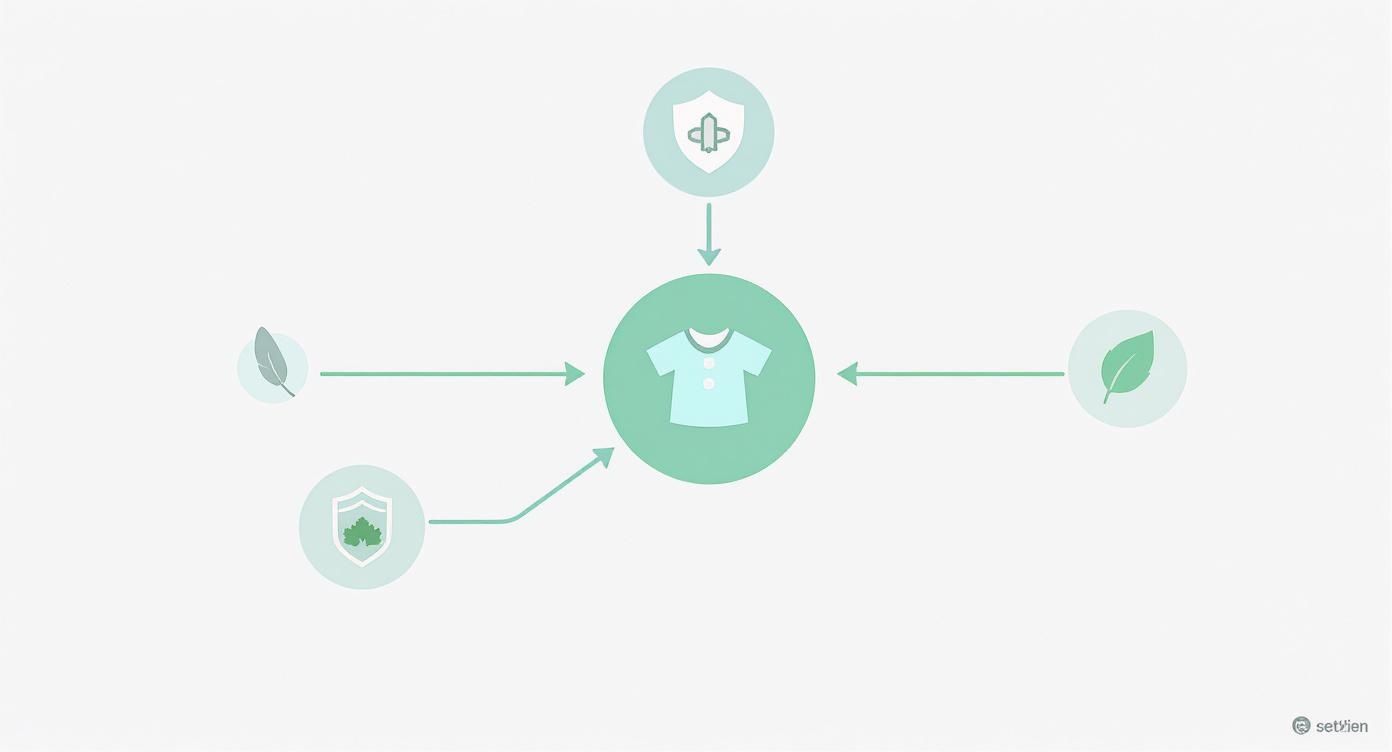
As you can see, it’s not just about one thing. It's a perfect blend of immediate comfort for baby, long-term health benefits, and a lighter footprint on our planet.
Bamboo vs Cotton at a Glance
To put it in perspective, let's do a quick side-by-side. While cotton has always been the standard, a quick look at the features shows why so many parents now prefer bamboo for their baby’s sensitive skin.
| Feature | Bamboo Fabric | Traditional Cotton |
|---|---|---|
| Softness | Exceptionally soft, silky, and smooth | Can be soft, but often feels rougher |
| Breathability | Highly breathable and moisture-wicking | Less breathable; can trap heat and moisture |
| Temperature Control | Naturally regulates body temperature | Offers insulation but doesn't adapt as well |
| Hypoallergenic | Naturally hypoallergenic and antibacterial | Can harbor allergens and bacteria |
| Sustainability | Fast-growing, needs less water, no pesticides | Water-intensive, often uses pesticides |
It becomes pretty clear that bamboo just has an edge in the areas that matter most for a baby's comfort and well-being.
Beyond the Basics
Getting a handle on the "why" behind bamboo’s popularity helps you feel confident in your choice. It's not just hype; the unique properties of bamboo directly address some of the biggest concerns we have as parents:
- Unmatched Comfort: The fibers themselves are naturally round and smooth, which means less friction against that brand-new skin. If you want to dive deeper, we have a whole guide on the best fabric for sensitive skin.
- Built-in Temperature Control: This is a game-changer. Bamboo fabric is incredibly breathable and pulls moisture away from the skin, which helps keep your baby from getting sweaty and overheated in the summer but also provides a warm, cozy layer in the winter.
- A Gentle Choice for the Earth: From a sustainability standpoint, it’s a clear winner. Bamboo is one of the fastest-growing plants in the world, a truly renewable resource that usually doesn't need pesticides or nearly as much water as conventional cotton.
The Secret Behind Bamboo's Incredible Softness
Ever touched a piece of bamboo baby clothing and just marveled at how soft it is? It's a bit of a head-scratcher when you think about how it starts as a tough, woody plant. The magic is all in how that sturdy stalk is transformed into what's called bamboo viscose.
A good way to think about it is like turning crisp apples into smooth applesauce. You're starting with the same core ingredient, but the process unlocks its softest, most gentle form.
The fibers created in this process are naturally round and smooth. There are no sharp, poky bits that could ever irritate a baby’s delicate skin. This unique structure is what gives bamboo baby clothes that signature buttery feel, letting them glide right over the skin instead of catching on it. It’s a huge reason why parents, especially those with little ones prone to skin sensitivities, swear by it.
A Soothing Touch for Sensitive Skin
If you have a baby with eczema or just generally sensitive skin, you know that the right fabric isn't a luxury—it's an absolute must. Bamboo fabric is naturally hypoallergenic, which simply means it’s far less likely to cause an allergic reaction. Unlike some synthetic fabrics or even rougher natural fibers like wool, bamboo’s smooth texture cuts down on friction, keeping irritation to a minimum.
The fabric's natural properties create a soothing barrier against things that might otherwise cause a flare-up. This helps keep your baby comfortable and allows their skin to breathe and heal without being constantly aggravated by rough materials.
This is a big part of why the baby apparel world is shifting toward premium, gentle materials. In fact, the global baby apparel market was valued at a whopping USD 44.5 billion in 2024 and is expected to hit USD 71.4 billion by 2034. This growth is being driven by parents actively looking for hypoallergenic and sustainable options like bamboo. You can check out the full research on baby apparel growth to see the trends for yourself.
The Ultimate Temperature-Regulating Fabric
One of the coolest things about bamboo baby clothes is their ability to act like a personal thermostat for your little one. The fabric itself is full of microscopic holes, which gives it incredible ventilation and breathability.
This unique structure is a true game-changer:
- Cooling Power: On hot days, those little micro-gaps let body heat escape easily, keeping your baby cool and comfy instead of sweaty and overheated.
- Warming Comfort: When it's chilly, those same properties work in reverse, trapping warm air close to the body to create a cozy, insulating layer.
On top of that, bamboo is incredibly moisture-wicking. It pulls sweat and dampness away from the skin 3-4 times faster than cotton. This is huge for keeping your baby dry and comfortable, which helps prevent those pesky rashes or chills that can come from sitting in damp clothing.
You can learn more about these amazing features in our key benefits of bamboo fabric in our detailed guide.
Choosing Clothes That Are Kind to the Planet
When you pick out bamboo baby clothes, you’re doing so much more than just buying another soft outfit. You're making a choice that sends a positive ripple out into the world, helping to create a healthier planet for your little one to inherit.
Think of bamboo as nature's overachiever. It's not just some grass; it's a powerhouse of a renewable resource with some seriously impressive green credentials, especially when you stack it up against other common fabrics.
It’s this simple connection—a clothing purchase that makes a real global impact—that has so many eco-conscious parents falling in love with bamboo.
Why Bamboo Is a Sustainability Superstar
So, what exactly makes bamboo such an environmental champ? It really all boils down to how it grows. Unlike most crops destined for our closets, bamboo is incredibly hardy and self-sufficient, which slashes its environmental footprint.
Here's a quick look at what makes it so special:
- It Grows Like Crazy: We’re not exaggerating. Some types of bamboo can shoot up three feet in a single day! This means it’s ready to harvest over and over again without ever depleting the source.
- It Barely Needs a Drink: Bamboo is a true water-sipper. It gets by just fine on rainwater and almost never needs irrigation. That's a world away from a notoriously thirsty crop like conventional cotton.
- No Nasty Chemicals Needed: The plant has its own natural defenses against pests and bacteria, so it can grow like a weed without any help from harmful pesticides or chemical fertilizers.
It's qualities like these that make bamboo one of the most incredible sustainable fabrics out there. Getting to know the materials in your baby's clothes is the first step toward making truly mindful choices.
The Bigger Picture of Your Purchase
The collective demand for greener products is literally changing the clothing industry. More and more parents are "voting" with their dollars, choosing products that reflect their values. This shift is a huge deal—it's what's fueling the global bamboo clothing market, which was valued at a whopping USD 2.00 billion in 2024.
And it's not slowing down. Projections show this market growing at a rate of 8.5% every year through 2032, on track to hit nearly USD 3.84 billion. This isn't just a fad; it’s a powerful movement of families demanding better, more sustainable options for themselves and the planet.
Every time you choose bamboo viscose, you’re casting a vote for a more responsible way of making textiles. If you want to get into the nitty-gritty of how it’s made, we have a whole guide that explains what is bamboo viscose.
And for the perfect finishing touch? Bamboo fabric is biodegradable. This means that after a long, well-loved life, that sweet little onesie can actually return to the earth, rather than clogging up a landfill for centuries. It's a comforting thought that truly brings the sustainable journey full circle.
How to Shop for Safe and High-Quality Garments
Walking into the baby aisle can feel like stepping into another universe, right? When it comes to bamboo baby clothes, it helps to know a few insider tips to shop with confidence. Not all bamboo is the same, and the secret to finding the good stuff is knowing exactly what to look for on the tag.
Think of that little label as your guide. It tells you everything you need to know to separate a truly premium, baby-safe outfit from one that just looks the part.
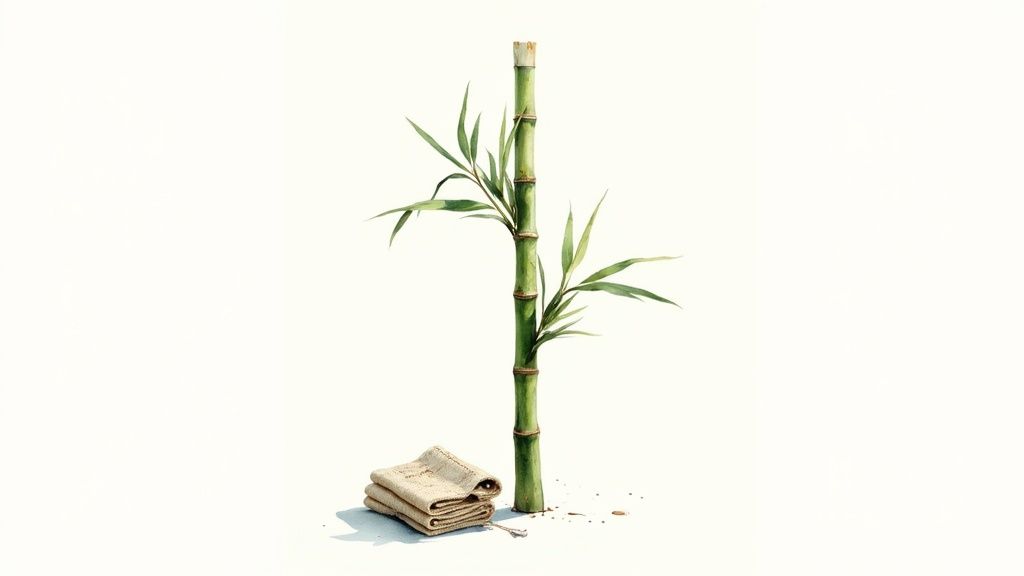
Honestly, the most important thing is a safety certification. For anything that’s going to be touching your baby’s skin all day, this is a non-negotiable.
Decode the Labels Like a Pro
The absolute gold standard to look for is the OEKO-TEX STANDARD 100 certification. Spotting this label on a piece of clothing is an instant sigh of relief. It’s a promise that every single part of that garment—we're talking fabric, thread, buttons, even the zipper—has been tested and cleared of a long list of nasty chemicals.
What does this mean for you? It means the product is completely safe for your baby, with no harmful substances to worry about. It’s a globally recognized benchmark for making sure textiles are safe and clean.
This certification is your guarantee that the brand puts your baby's health first. If you want to dive deeper, you can learn more about what OEKO-TEX STANDARD 100 certification means and why it’s such a big deal for baby gear.
Your Quick Shopping Checklist
Beyond the big certifications, a few other tell-tale signs point to a well-made garment. Just as you check clothing labels, it's a great habit to be just as careful with other things your baby plays with, always opting for non-toxic baby products.
Here’s a quick mental checklist to run through:
- Check the Fabric Blend: The sweet spot is usually 95% bamboo viscose with about 5% spandex. This mix gives you that buttery softness bamboo is famous for, plus just enough stretch to keep your baby comfy as they wiggle and grow.
- Inspect the Seams: Take a look at the stitching. You want to see seams that are flat and smooth, not bulky or rough. This little detail makes a huge difference in preventing skin irritation.
- Look for Non-Toxic Dyes: The brand should be clear about using baby-safe, non-toxic dyes. While OEKO-TEX often covers this, it never hurts to double-check.
- Examine the Zippers and Snaps: Make sure any hardware is secure and covered so it won't poke or pinch. A game-changer is the double zipper—it makes those middle-of-the-night diaper changes so much easier
Finding a Deeper Meaning in What Your Baby Wears
Let's be honest, all baby clothes are special. They mark those fleeting moments and tiny milestones we cherish. But what if an outfit could do more? Some brands are weaving faith and hope right into the fabric, turning a simple piece of clothing into something deeply personal and symbolic.
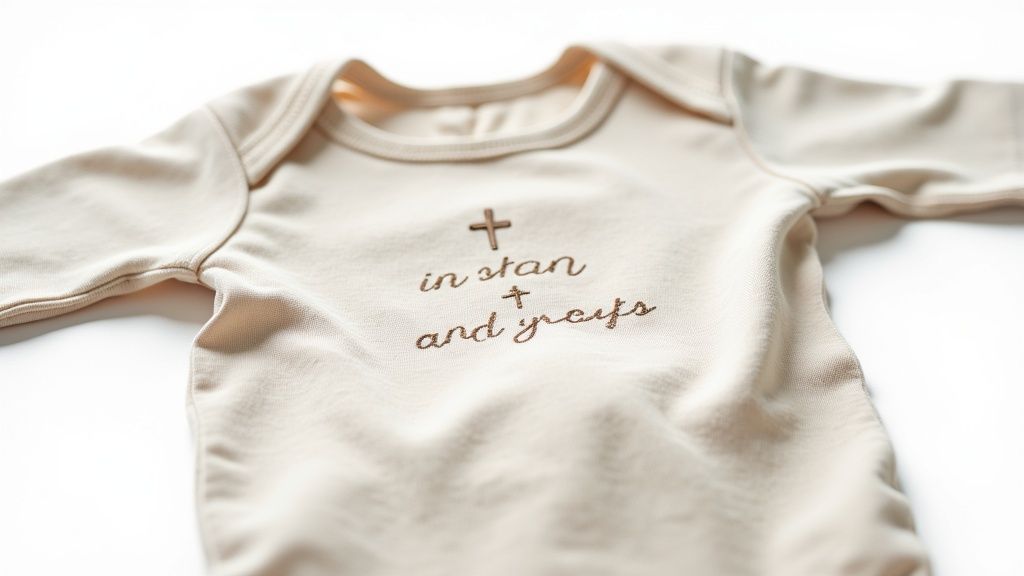
It’s not just about a pretty pattern. Think about a buttery-soft bamboo romper with a tiny, embroidered cross, or a sleeper featuring a beloved Bible verse. These aren't just clothes anymore; they become a tangible expression of your family's heart and beliefs.
It's a beautiful way for parents to wrap their little one in their faith right from the start. Each outfit becomes a gentle, everyday reminder of hope, love, and blessings—surrounding your baby in both physical and spiritual warmth.
More Than Just an Outfit
For many families, these special pieces become cherished keepsakes. While they’re a natural fit for big moments like a baptism, christening, or baby dedication, they’re just as perfect for the quiet, ordinary days at home. A faith-inspired outfit has a way of making any moment feel a little more sacred.
Here are a few ways this comes to life in designs:
- Symbolic Embroidery: Imagine a tiny, hand-stitched dove on a cuff, symbolizing peace.
- Inspiring Patterns: A subtle print of olive branches or mustard seeds can tell a powerful story of faith and growth.
- Scripture Prints: A beautifully lettered verse like, "For this child I have prayed," woven elegantly into the design.
This approach creates a powerful connection between the garment and a family’s spiritual journey. It's no wonder these pieces have become such heartfelt and popular gifts for baby showers and religious milestones.
It's a way of dressing your child in your hopes and prayers for them. Each piece serves as a gentle reminder of the love and guidance you wish for them as they grow, making the clothing a meaningful part of their early life story.
A Celebration of Faith and Family
At the end of the day, faith-inspired bamboo baby clothes are a celebration. They celebrate new life, the values you hold dear, and the comfort that faith can bring. When you choose an outfit with this deeper layer of meaning, you’re not just dressing your child; you’re adorning them with blessings.
This beautiful niche gives families a way to express what’s in their hearts. It’s a chance to build a collection of clothing that feels every bit as significant as it is soft and comfortable.
Keeping Your Bamboo Clothes Soft and New
So, you’ve brought home some of those incredibly soft bamboo baby clothes. The good news? Keeping them feeling that way is a lot easier than you might think. With just a few simple tweaks to your laundry routine, you can hang onto that buttery, cloud-like softness wash after wash.
There’s no magic trick here—it really just boils down to gentle care. Think of those bamboo fibers like you would fine silk. They don't get along well with harsh chemicals or high heat. A gentle approach is all it takes to keep them in pristine condition.
Your Simple Washing and Drying Guide
The secret to long-lasting softness starts in the washing machine. To protect those delicate fibers and prevent any pilling or shrinking, you’ll want to be gentle from start to finish.
- Go Cold: Always wash your bamboo clothes in cold water. Hot water is the enemy of bamboo fabric; it can cause the fibers to shrink and lose their famous stretch.
- Keep it Gentle: Use the delicate or gentle cycle on your washer. This puts a lot less stress on the fabric and helps it stay in shape.
- Pick a Mild Detergent: Stick with a mild, preferably eco-friendly, detergent. Harsh chemicals and additives can strip the natural softness right out of the fibers.
Pro Tip: Whatever you do, skip the fabric softener and bleach. Fabric softeners actually coat the fibers with a film, which ruins their absorbency and can make them feel less soft over time. And bleach? It’s just way too aggressive for this delicate material.
The Dos and Don'ts of Laundry Day
To make things crystal clear, here’s a quick cheat sheet for laundry day. Sticking to these simple rules will keep those bamboo jammies and onesies feeling brand new.
| Do's ✔️ | Don'ts ❌ |
|---|---|
| Do wash in cold water (below 86°F / 30°C) | Don't use hot water, ever! |
| Do use a gentle, pH-neutral detergent | Don't use fabric softeners or dryer sheets |
| Do zip zippers and fasten snaps to prevent snags | Don't use bleach or harsh stain removers |
| Do line dry or tumble dry on the lowest heat setting | Don't wash with rough fabrics like denim or towels |
| Do turn garments inside out to protect the print | Don't over-dry them in the dryer |
When you treat your bamboo pieces with a little extra TLC, you’re doing more than just keeping them soft. You're making them last, ensuring they can be passed down to the next baby or kept as a sweet memento.
Your Top Bamboo Baby Clothes Questions Answered
Even after learning all about bamboo baby clothes, you probably still have a few questions. That's totally normal! Think of this as your go-to spot for those final, practical details.
We’ve pulled together the most common questions we hear from parents to give you clear, simple answers so you can feel great about your choice.
Is Bamboo Fabric Good for All Seasons?
You bet it is. Honestly, this is one of bamboo’s superpowers. The magic is in the fabric's natural microstructure, which makes it a fantastic temperature regulator.
When it's warm out, the fabric breathes and wicks moisture away from your baby's skin, keeping them cool and dry. But in chilly weather, those same fibers trap warm air, creating a cozy layer of insulation without any of the bulk. It’s the perfect all-in-one fabric for year-round comfort.
Do Bamboo Baby Clothes Shrink?
Just like other natural fabrics, bamboo viscose can shrink a tiny bit in the first wash—usually around 3-5%. Don't worry, though. Most good brands already factor this into their sizing, so there’s no need to buy a size up.
The best way to keep everything fitting just right is to wash your bamboo baby clothes in cold water and either tumble dry on low or let them air dry. A little care goes a long way!
It's not just a niche trend; parents everywhere are looking for safer, better clothing for their kids. The kids' segment of the bamboo clothing market is expected to grow at an annual rate of 10.52% between 2022 and 2032. You can read more about the growth in the bamboo clothing market here.
Are Bamboo Clothes Durable Enough for Active Babies?
Absolutely. It feels incredibly soft, but bamboo fabric is surprisingly tough when you care for it properly.
Most bamboo baby clothes also have a little bit of spandex blended in (around 5%), which gives them incredible stretch and bounce-back. That means they can handle all the wiggles, crawls, and tumbles your little one can dish out without getting all stretched out and saggy.
Ready to wrap your baby in the incredible comfort of bamboo? Check out the Little Venture Co. collection of faith-inspired, Oeko-Tex® certified sleepwear and daywear.