

Best 12 Month Pajamas with Feet: Safety & Sizing Guide
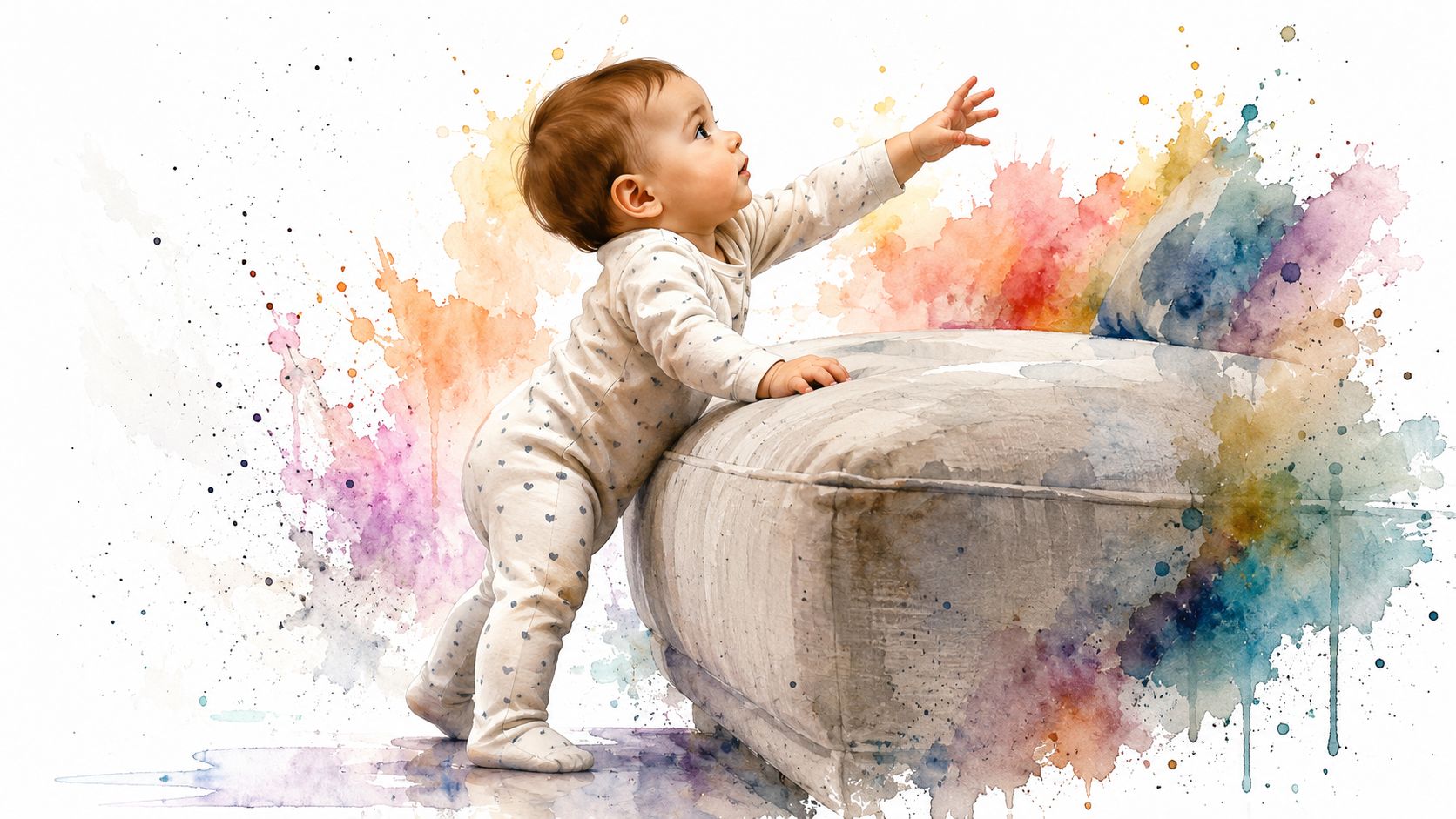
You blink, and suddenly your baby isn't a curled-up newborn anymore. They're pulling to stand on the couch, scooting away during diaper changes, and testing every corner of the house with determined little hands. Bedtime clothes that worked a few months ago can start feeling less obvious now.
That's usually when parents start searching for 12 month pajamas with feet. Not because pajamas got complicated overnight, but because this age brings a new mix of questions. Will footed sleepers keep them warm without loose socks? Will they still move comfortably? And if they're in a carrier during evening errands or church, do footed pajamas still make sense?
That First Year Flying By A New Sleeper for Your Explorer
One night your baby is happily rolling in a sleep sack, and the next they're standing in the crib grinning like they've discovered a superpower. Around the one-year mark, sleepwear starts doing more work. It needs to feel cozy, but it also has to keep up with a child who crawls, cruises, squirms, and sometimes protests bedtime like it's a personal injustice.
That's why so many parents land on footed pajamas at this stage. They're simple. They cover everything in one piece. And when your little one kicks around all night, built-in feet can feel a lot more dependable than tiny socks that vanish into the crib.
At the same time, this age can be confusing. Babies are more mobile, but they're still babies. They need safe sleep clothing, soft fabrics, and enough room to bend their knees, stretch their toes, and settle without overheating.
A lot of parents also notice that what works at bedtime may not work the same way during the rest of the day. A sleeper that's perfect for a cool nursery might feel different in a car seat, stroller, or baby carrier.
Practical rule: If pajamas make your baby warm, calm, and able to move naturally, you're usually headed in the right direction.
The good news is that you don't need a giant wardrobe or a degree in fabric science. You just need to know what matters most at this age: warmth, safety, fit, and real-life function.
The Cozy Case for 12 Month Footed Pajamas
By 12 months, bedtime often looks different than it did a few months ago. Your baby may be standing in the crib, crawling at top speed after bath time, and treating diaper changes like a wrestling match. In that busy little stage, footed pajamas earn their place because they simplify one part of the day that can easily feel harder than it should.
A good pair keeps the whole lower body covered in one step. No hunting for socks. No cold ankles after a midnight diaper change. No extra pieces shifting around while your child rolls, stretches, and settles.
That convenience matters, but comfort matters just as much.
Why parents keep reaching for them
Footed pajamas solve a few very ordinary problems well, which is usually the best sign that a baby product is worth keeping around.
- Feet stay warm: Built-in foot coverage helps with chilly floors and cool nurseries.
- Bedtime gets simpler: One piece is usually faster than matching a top, bottoms, and socks.
- Sleepwear stays put: Active sleepers can kick off socks, but attached feet stay on.
- The feel is cozy: Many babies seem calmer when their sleepwear feels soft, close-fitting, and predictable.
It helps to picture footed pajamas like a swaddle's older cousin. They do not wrap a baby tightly, of course, but they offer that same sense of coverage from shoulders to toes. For some children, that all-in-one feel supports a smoother bedtime routine because nothing bunches up or slips off as they move.
Why this style fits the 12 month stage so well
This age sits right in the middle of two seasons of childhood. Your little one is no longer a tiny newborn, but not quite a full toddler either. Footed pajamas make sense here because they still offer the coziness many babies sleep well in, while giving enough flexibility for crawling, pulling up, and all the pre-bed wiggles that come with a growing explorer.
Parents also tend to notice a practical difference in the early morning. A baby who wakes ready to move can play for a few minutes in pajamas that already cover the feet, especially on cooler mornings. That can buy you a little breathing room before getting fully dressed for the day.
There is one detail many families do not hear early enough, though. Pajamas that feel perfect for sleep are not always the best choice for every daytime situation, especially if you wear your baby in a carrier. Footed sleepers can press on the toes when a child is seated with knees up, which is one reason fabric stretch and overall fit matter more than they first appear to.
That is also why material deserves more attention than it usually gets. Soft, breathable fabrics with gentle stretch tend to work better for babies who sleep hard, move constantly, and spend part of the day being carried from one place to another. If you want a parent-friendly explanation of why many families prefer that combination, this guide to bamboo footie pajamas is a helpful place to start.
The short version is simple. Footed pajamas can be a very smart choice at 12 months, especially when they are soft, flexible, and used with your child's real routine in mind.
A Parent's Guide to Pajama Safety Standards
You are standing in the baby aisle, holding two pairs of footed pajamas that look almost identical. One mentions snug fit. Another highlights fabric. A yellow tag adds one more layer of confusion. If those labels have ever made you second-guess a simple pajama purchase, you are not alone.
Safety language sounds technical, but the basics are easier than they first appear. Once you know what the labels are trying to prevent, you can sort good options from poor ones pretty quickly.
The main thing parents notice after the early baby months is that sleepwear fit starts to matter more. Newborn clothes often have a little extra room. Sleepwear for older babies is usually designed to sit closer to the body, which is why you will see snug-fitting called out more often on tags and product pages.
What snug-fitting actually means
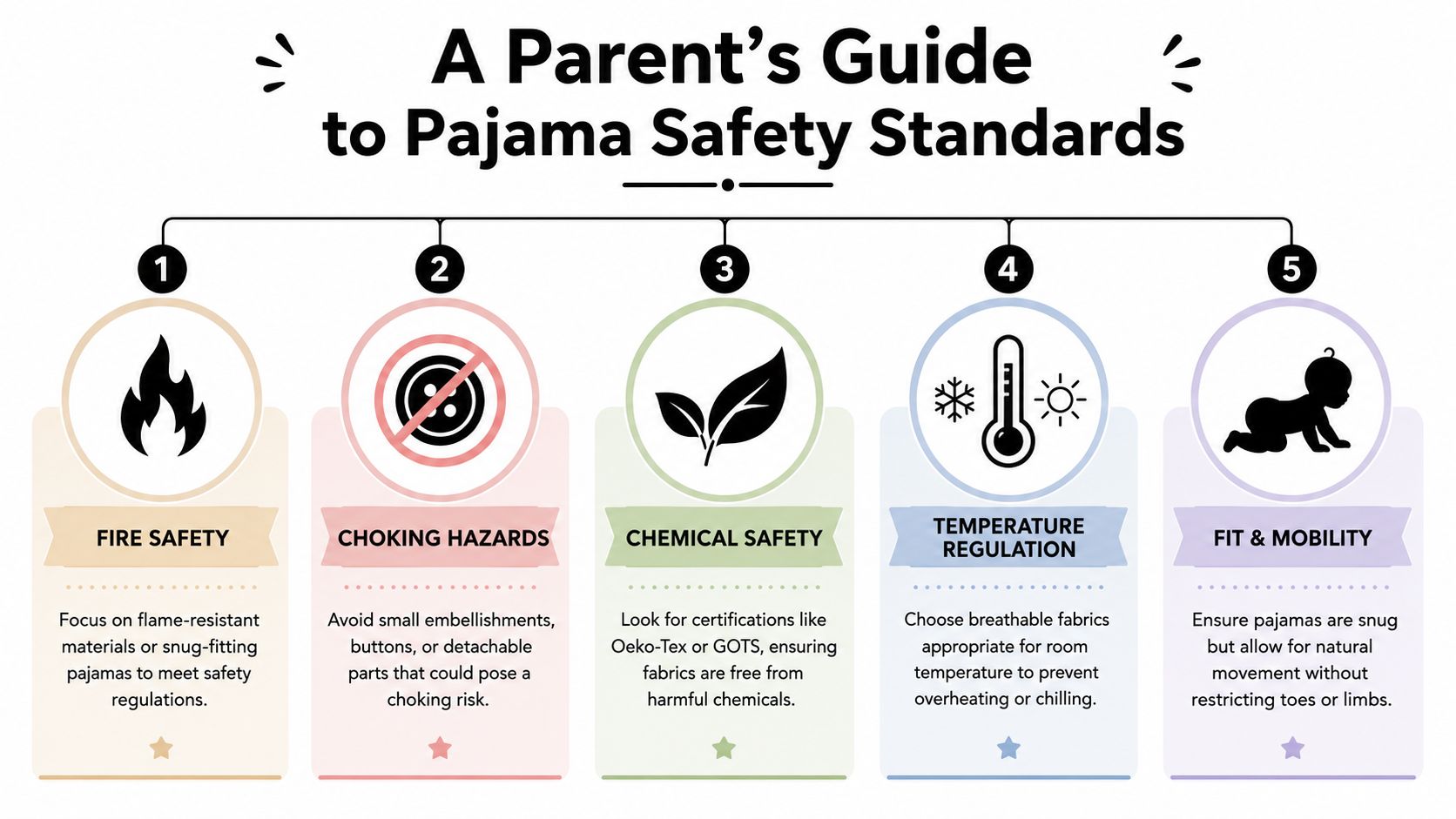
For babies past the smallest sizes, sleepwear generally falls into one of two safety approaches. It is made with flame-resistant materials, or it is made to fit closely against the body. That is why many cotton and bamboo pajamas include a yellow snug-fit label.
Parents sometimes hear "snug" and picture something uncomfortably tight. That is not the goal. A safe snug fit sits close without pinching, twisting, or restricting movement.
A good test is simple. Your child should be able to bend, crawl, sit, and roll comfortably. The fabric should lie close through the arms, chest, and legs, but it should not pull hard across the diaper area or stretch the foot pockets so much that the toes stay pressed forward.
That last detail matters even more for families who babywear. A sleeper can meet sleepwear standards and still be a poor choice in a carrier if the legs and feet are pulled too tight in the seated position. Safe sleep fit and comfortable babywearing fit overlap, but they are not always identical.
A safe sleeper fits close to the body and still leaves room for natural movement, especially at the hips, knees, and toes.
Fabric labels that matter
Fabric safety is not only about softness. It is also about what has been tested and how the material behaves against a baby's skin night after night.
Two labels parents commonly see are:
- OEKO-TEX® Standard 100, which means the fabric has been tested for harmful substances
- GOTS, which relates to organic textile standards
If you have ever wondered whether those labels are meaningful or just marketing, it helps to read a plain-language explanation of what OEKO-TEX Standard 100 means for baby clothing.
This is one reason many active families end up comparing bamboo viscose and cotton more carefully. A softer, more breathable fabric with gentle stretch can support both sleep comfort and actual routines around sleep, including evening cuddles, nursing, prayer time, and short stretches in a carrier before bed.
Don't forget temperature and hardware
A safe pair of pajamas also has to make sense in your actual home. Nursery temperature, fabric weight, closures, and small design details all affect how well a sleeper works overnight.
Use this quick check before bedtime:
- Dress for the room: Start with nursery temperature, not how cold you feel under your own blanket.
- Choose breathable materials: Cotton and bamboo viscose are popular because they tend to feel lighter and less stuffy.
- Check the extras: Loose bows, decorative buttons, and detachable pieces are best avoided on sleepwear.
- Watch your child move in them: Squatting, crawling, and stretching should look easy, not strained.
- Look closely at the feet: If the footie section twists or pulls the toes forward, the sleeper is not fitting correctly.
Parents who babywear often need that last step more than anyone else. A pair of footed pajamas may seem fine in the crib, then feel too short once a baby is worn with knees up and legs spread naturally. That does not automatically make footed pajamas a bad choice. It means the safest option is one with enough length and stretch for both sleep and the transitions around sleep.
What about TOG ratings
TOG can sound mysterious, but the idea is simple. It is a warmth rating used more often for sleep sacks and wearable blankets than for regular pajamas.
For footed sleepers, many brands do not list a TOG at all. In practice, parents usually get better results by watching the room temperature and their child's cues. A sweaty neck, damp hairline, or flushed cheeks suggest too much warmth. A cool core suggests your baby may need another layer.
The goal is a baby who sleeps comfortably, moves freely, and stays dressed in a fabric that suits real family life. For many parents, that points toward soft, breathable sleepers with a close fit and enough stretch to avoid pressure on little toes. That is one reason brands like Little Venture Co. stand out for families trying to balance sleep safety, sensitive skin, and babywearing comfort in one choice.
Choosing the Right Fit Fabric and Features
A good pair of 12 month pajamas with feet should make bedtime easier, not give you one more small problem to solve at the end of a long day. At this age, babies are crawling, pulling up, twisting during diaper changes, and sometimes falling asleep in your arms on the way home from church or errands. Their pajamas need to keep up with real life.
It helps to sort your choice into three simple questions. Does the fit give your child room to move? Does the fabric feel comfortable for a full night of sleep? Do the features make daily routines easier for you?
Start with fit, not the size tag
The number on the label is only a rough guide. One brand may cut long and slim, while another leaves more room in the diaper area or shoulders. That is why a sleeper that fits one 12 month old beautifully can look tight, short, or awkward on another.
Parents often notice the problem first in motion, not while the child is lying still. A sleeper can look fine on the changing table, then pull at the chest when your baby sits up or push the toes forward once they start cruising along the couch. Pajamas work a bit like a car seat harness. The label matters, but the key question is how it fits your actual child.
A practical shortcut is to compare measurements before you buy. This baby clothing size chart can help you check length, weight ranges, and brand-specific sizing before bedtime trial and error teaches the lesson for you.
Signs the fit is right
Look for a sleeper that stays close to the body without looking strained.
- The torso lies flat. You should not see strong pulling across the belly, chest, or diaper.
- The feet sit naturally. Toes should rest flat instead of being pressed forward or curled.
- Arms and legs move freely. Crawling, kneeling, and early steps should look easy.
- The neckline stays in place. It should not gape, twist, or rub under the chin.
If your child seems happy in the pajamas but gets fussy during active play, the issue is often length or stretch, not warmth. That distinction matters.
Fabric matters more than many parents expect
Fabric changes how pajamas feel at 2 p.m., 7 p.m., and 2 a.m. A material that looks cute on the hanger may feel clammy after a warm night or too stiff when your baby bends and squirms.
Cotton is a familiar favorite because it is breathable, widely available, and easy to wash.
Bamboo viscose is popular with parents who want extra softness and stretch, especially for babies with sensitive skin. It also tends to drape more gently than stiffer fabrics, which can help the sleeper feel less restrictive during sleep and the everyday transitions around sleep.
Fleece can feel cozy in a cold room, but it needs more care because some babies run warm very quickly.
For families who babywear, fabric deserves extra attention. A stretchy, breathable sleeper is usually kinder to little legs and feet than a rigid one. Little Venture Co. stands out here because their sleepers are designed with that soft, flexible feel many parents want when they are balancing sleep comfort, skin sensitivity, and a busy day that may include time in a carrier.
Quick fabric check: Rub the material between your fingers, then stretch it gently. Soft recovery, light breathability, and a flexible feel are better signs than thickness alone.
Zippers or snaps
This choice is less about right and wrong and more about which kind of tired you are at bedtime.
| Feature | Zippers | Snaps (Buttons) |
|---|---|---|
| Middle-of-the-night changes | Usually faster, especially with a wiggly baby | Slower, but some parents like opening only part of the sleeper |
| Ease for tired parents | One motion, easy to close | More chances to misalign when you are exhausted |
| Diaper access | Double zippers are especially helpful | Lower snaps can work well too |
| Bulk and feel | Often smooth when well made | Flexible, but with more fastening points |
| Daily use | Simple for busy routines | Fine if you prefer a classic style |
Many parents end up preferring zippers once babies become more active. Double zippers are especially handy during quick diaper changes.
Snaps still work well for some families, especially if you like more control over which part opens. The best closure is the one you can manage calmly in low light, with one hand, while your child is trying very hard to roll away.
The Babywearing Secret Most Pajama Guides Miss
A lot of pajama advice assumes your baby only wears footed sleepers in the crib or around the house. Real life is messier than that. Many families use a carrier during evening walks, errands, church, or while settling a fussy baby before bed.
That's where footed pajamas can create a problem people rarely mention.
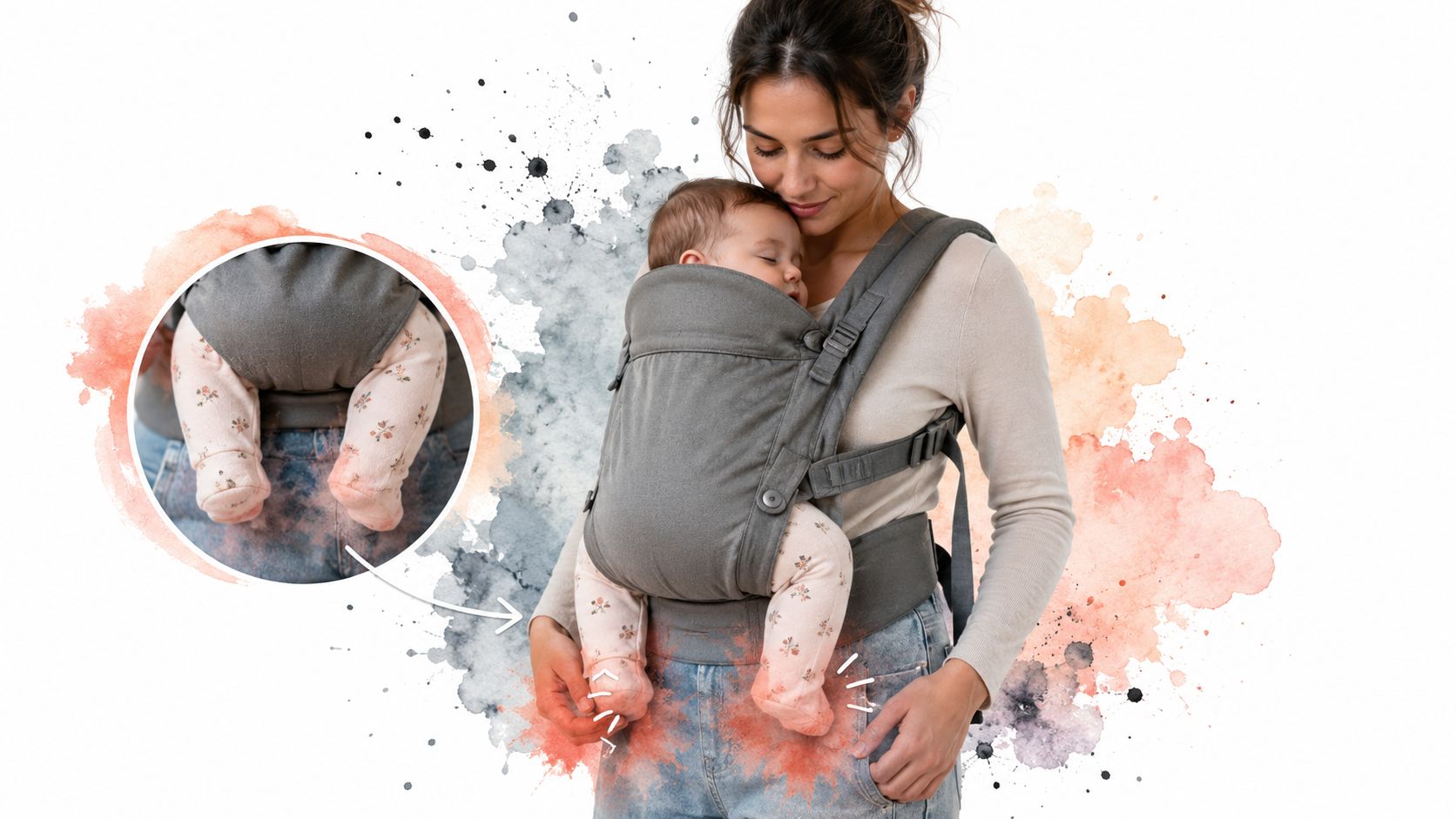
According to occupational therapy guidance on footie pajamas and babywearing, tight footie pajamas in a baby carrier can curl a baby's toes and even trigger a stepping reflex, which can lead to fussiness and an unsafe seat. The same guidance suggests choosing stretchy bamboo fabric or sizing up to prevent this issue.
Why this happens
In a good carrier position, your baby sits with knees up and legs supported. That seated shape can pull on the pajama legs. If the sleeper doesn't have enough stretch or length, the tension travels right down to the feet.
Then you may see:
- Toes curling inside the footie
- More fussing after a few minutes in the carrier
- A baby who keeps pushing or straightening oddly
- A seat that looks less deep and comfortable than it should
Parents often assume the carrier is the problem, when sometimes the sleeper is contributing.
What to do instead
This doesn't mean you need to give up footed pajamas. It means you need to use them more thoughtfully when babywearing is part of your day.
A few adjustments help a lot:
- Size up for carrier time: Extra length can reduce pulling at the feet.
- Choose stretchier fabric: Bamboo viscose often gives more than stiffer materials.
- Look for fold-over or convertible foot options: These let you uncover the feet when needed.
- Check the toes after baby is seated: If they're bent hard, change outfits.
This short video gives a helpful visual for carrier positioning and fit checks before longer wear.
For active, faith-centered families who spend time on the go, this detail matters more than most shopping guides admit. A pajama that works beautifully for sleep may need a small adjustment for safe, comfortable babywearing.
Making a Thoughtful Choice Last and Giving a Meaningful Gift
Once you find pajamas that fit well, the next job is keeping them soft and wearable. That matters even more with sleepwear because these pieces get washed constantly.
Laundry habits that help
Most baby pajamas last longer when you keep the routine simple.
- Wash in cool water: Gentler on fibers and prints.
- Use a mild detergent: Helpful for sensitive skin and softer fabrics.
- Skip harsh heat when possible: Low drying heat is usually kinder than blasting everything hot.
- Close zippers before washing: It helps prevent snagging.
Bamboo blends usually do best with especially gentle care. If you've ever pulled a favorite sleeper out of the dryer and noticed it lost that silky feel, heat is often the culprit.
Wash baby sleepwear like it's a daily-use favorite, not a tough towel load. A little extra care goes a long way.
Why pajamas also make a surprisingly meaningful gift
By the time you've thought through fit, fabric, safety, and bedtime convenience, pajamas stop feeling like a throwaway item. A good pair is practical, used often, and remembered.
That's why sleepwear can be such a thoughtful present for baby showers, Christmas, baptisms, dedication gifts, or welcome baskets for new parents at church. It's useful, personal, and easy to appreciate even when a family already has blankets and toys.
If you're building a more complete care package for a new mother too, these curated gift selections for mom can help you round out the gift in a way that feels supportive instead of random.
For faith-based families, meaningful design can matter alongside comfort. Some parents love clothing that feels gentle, beautiful, and connected to what they value at home. When that clothing is also soft, safe, and easy to care for, it tends to become the pair that gets washed and worn on repeat.
Common Questions About 12 Month Sleepers
When is it time to stop using footed pajamas
The best time to stop is usually when your child starts showing you it is no longer working. Some toddlers get frustrated when the foot section grips their toes, especially once they are walking with more confidence. Others still love the cozy, all-in-one feel well past 12 months.
If your baby is often in a carrier, pay attention here. Footed pajamas can pull on the toes when knees are bent in a babywearing position, a little like socks that get tugged too tight when you curl your feet. If that keeps happening, footless sleepers often solve the problem more comfortably.
What if the body fits but the feet don't
This happens a lot, especially with babies who are long through the torso or have bigger feet. A sleeper can fit well through the chest and diaper area but still feel off at the bottom.
In that case, the issue is usually the cut, not your baby.
Try a different brand, or size up only if the sleeper still fits close to the body without becoming loose. If your child is between proportions, footless pajamas may be the better match.
Are hand-me-down footed pajamas okay
Yes, if they are still in good condition. Check the zipper, snaps, cuffs, and foot area closely. Look for thinning fabric, stretched-out shape, or any trim that is peeling or coming loose.
A sleeper should still feel snug and spring back into shape after washing. If it has become baggy, it may no longer fit the way sleepwear is meant to fit.
How many sleepers do I really need at this age
Most families do well with a small rotation that can handle normal life. Think about how often you do laundry, whether your child has frequent leaks or spit-up, and whether pajamas sometimes stay on through breakfast and early play.
Three to five pairs is enough for many homes. Some parents prefer a few extra, especially if one favorite fabric keeps ending up in the wash.
How should I dress my baby under footed pajamas
Start with the room, not the outfit. Room temperature and fabric weight matter more than a complicated layering plan. Many babies sleep well in just the sleeper, especially if the fabric is soft and breathable.
Bamboo viscose can be especially helpful here because it feels gentle and light without needing lots of layers. If you also babywear during evening wind-downs or early mornings, keeping the layer underneath simple helps avoid extra bulk and overheating. For a fuller guide, see how to dress baby for sleep.
Are bamboo footed pajamas a good choice for 12 month olds
For many families, yes. Bamboo viscose is often chosen because it feels soft on sensitive skin, has a bit of stretch, and can stay comfortable across naps, bedtime, and those in-between moments when baby goes from carrier to crib.
That matters more than it first seems. At this age, babies are active, squirmy, and rarely still for long. A fabric that bends easily and does not feel stiff can make everyday routines simpler for both of you.